

Why we resent sharing money becomes painfully clear during group dinners, office collections, and team outings. That uncomfortable feeling when someone suggests “let’s just split equally” or when the WhatsApp group chat lights up with another request to chip in—it’s not about being stingy. It’s about a deep psychological resistance to collective financial decisions that feel like a tax on personal choice.
For Singaporeans and Malaysians aged 25-40, this scenario repeats constantly. Birthday collections at work. Wedding ang baos. Class reunion dinners where half the table orders lobster whilst others stick to fried rice. Every meeting, whether it’s a family gathering or team lunch, inevitably becomes a discussion about who pays what. The resentment is real, even when logic says sharing is fair.
The Psychology of Why We Resent Sharing Money

Loss aversion explains much of this discomfort. Research by behavioural economists Daniel Kahneman and Amos Tversky shows that humans feel losses approximately twice as intensely as equivalent gains. When money leaves a wallet for a group expense, the brain processes it as a loss—even if the expense provides value.
This psychological response intensifies in collective spending scenarios. When dining alone and ordering a RM60 plate of nasi lemak with extra sambal and rendang, there’s no resentment. The value is clear and the choice is personal. But when that same RM60 becomes part of a RM600 group bill split ten ways, suddenly it feels like taxation without representation. Someone else’s choices are now affecting the wallet, and control has been surrendered.
The autonomy factor cannot be ignored. Humans are wired to value agency over their resources. Group spending strips away this agency. At a steamboat dinner in Bugis, one person might prefer a modest meal costing S$25, but when others order premium beef slices and abalone, the bill balloons. Splitting equally means subsidising others’ choices—a forced redistribution that triggers resentment.
The Fairness Illusion
Groups often default to equal splitting because it seems fairest. But equal isn’t the same as equitable. When someone orders a soft drink whilst others down Tiger beers, or when a vegetarian pays the same as the friend who demolished three types of meat, the mathematical fairness masks psychological unfairness.
This creates what researchers call “inequity aversion”—the distress people feel when outcomes seem imbalanced. The person who spent less subsidises the person who spent more, and this imbalance festers. It’s why Malaysians and Singaporeans have perfected the art of mentally calculating their exact share down to the sen, ready to PayNow or DuitNow their portion to avoid that uncomfortable “just pay equally lah” moment.
Social Pressure and the Kiam Siap Label

Why we resent sharing money becomes complicated by social expectations. In Singaporean and Malaysian culture, certain financial contributions are non-negotiable social obligations. Refusing to participate brands someone as kiam siap (stingy), cheapskate, or “don’t know how to be human”.
This social pressure creates a bind. The resentment exists, but expressing it risks social exile. So people participate, smile, and hand over money whilst internally seething. The anger isn’t really about the RM50 for a colleague’s farewell gift—it’s about being forced into a financial decision without genuine choice.
Office collections particularly exemplify this dynamic. When the email circulates asking for contributions to the boss’s birthday present, declining isn’t truly an option. The social cost of refusing exceeds the financial cost of participating. But this doesn’t eliminate the resentment—it just suppresses it.
The Visibility Problem
Another layer of why we resent sharing money involves transparency. When chipping in for a group gift, contributors rarely see itemised receipts. Was it really necessary to spend S$500 on that cake from a fancy bakery? Could a simpler option have worked? Without visibility into how collective funds are spent, suspicion breeds resentment.
This explains why some friendship groups have collapsed over wedding planning or holiday trips. When significant money is pooled without clear accountability, the perceived waste or mismanagement by the organiser—even if unintentional—damages relationships permanently
Identity and Values Misalignment
Money represents values. How individuals spend reflects what matters to them. Group spending forces value alignment with others, and when those values clash, resentment follows.
Consider a team dinner where colleagues suggest a restaurant charging S$80 per person. For someone prioritising savings for a house deposit, this feels wasteful. For someone who values experiences and dining out, it’s reasonable. Neither is wrong, but forced participation makes the saver feel like they’re funding someone else’s value system.
This values clash intensifies across generations. Older relatives might insist on lavish wedding banquets costing tens of thousands, expecting younger family members to contribute. But millennials and Gen Z, struggling with COE prices, property costs, and stagnant wages, see this as financially irresponsible. The resentment isn’t about the wedding—it’s about being forced to fund priorities that don’t align with personal financial reality.
The Meeting Room Syndrome
Corporate environments amplify why we resent sharing money through team-building budgets and departmental expenses. The meeting that should discuss project timelines somehow becomes a referendum on whether the team should have monthly dinners funded by individual contributions.
Employees already give time and labour to their workplace. Being asked to also contribute money for team activities—even “optional” contributions—feels like an additional tax. The resentment is especially acute when salaries vary widely across the team. A manager earning twice as much as a junior executive suggests splitting a S$100 per person team outing equally, oblivious to the proportional burden.
The Opt-Out Penalty
The inability to opt out without social consequences creates what psychologists call “forced altruism”—an oxymoron that captures the contradiction. True altruism requires choice. When choice is removed by social pressure, the act becomes coercion, and coercion breeds resentment.
This explains why some people ghost group chats when collection requests appear, or suddenly become “busy” when expensive group activities are planned. It’s not about the money—it’s about preserving autonomy and avoiding the forced-choice trap.
Lessons: Managing Collective Money Psychology
Understanding why we resent sharing money provides strategies for reducing friction in group financial situations:
Acknowledge the discomfort openly. Groups that pretend everyone is comfortable with collective spending create an environment where resentment simmers silently. Opening the conversation—”I know these collections can be awkward”—validates the emotion and reduces tension.
Offer genuine opt-outs. Make participation truly voluntary. If someone can decline a group activity without social penalty, those who participate do so authentically, reducing resentment. This might mean having two tiers—a smaller, budget-conscious option and a premium option.
Provide transparency. When collecting money for group gifts or events, share receipts and breakdowns. Visibility builds trust and reduces suspicion that funds are being mismanaged or wasted.
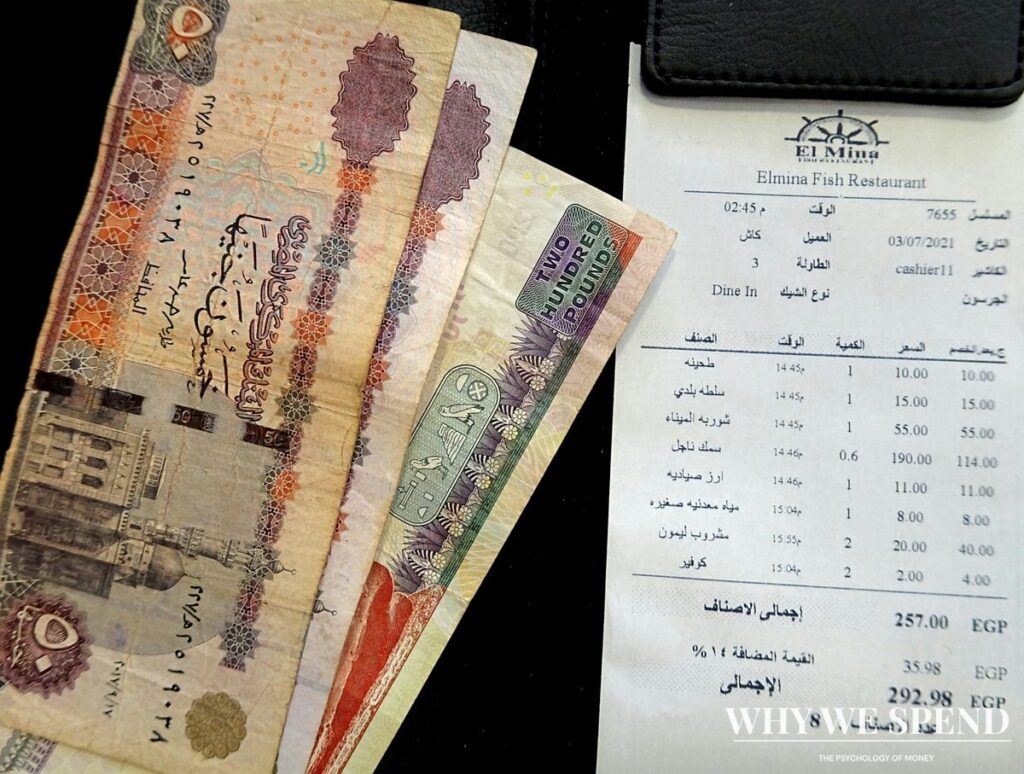
Split proportionally when possible. Equal isn’t always fair. Using itemised bills or contribution levels based on actual consumption reduces the subsidy effect and acknowledges different preferences and budgets.
Time requests appropriately. Asking for money right after someone has complained about expenses or mentioned financial stress shows poor social awareness. Timing matters for psychological receptivity.
Question traditions. Just because something has always been done a certain way doesn’t mean it should continue. Expensive wedding ang baos, lavish office parties, or premium team dinners might be traditions worth reconsidering, especially as economic pressures mount
Moving Beyond Resentment
Why we resent sharing money ultimately comes down to control, fairness, and values alignment. The feeling isn’t a character flaw or a sign of selfishness—it’s a natural psychological response to situations that threaten financial autonomy.
Recognising this helps individuals navigate group financial situations with less guilt and helps groups structure collective spending in ways that minimise resentment. The goal isn’t to eliminate all shared expenses—humans are social creatures, and some collective spending strengthens bonds. The goal is to ensure that when money is shared, it’s done with awareness of the psychological dynamics at play.
Next time the WhatsApp group lights up with another request to chip in, the discomfort makes sense. It’s not about being kiam siap. It’s about being human—a human who values autonomy, fairness, and the right to make personal financial choices. Understanding this transforms resentment from something shameful into something worth examining, discussing, and ultimately, managing better as a group.