

Spending like everything is temporary is a money mindset that treats life as a series of short-term experiences, where purchases feel consequence-free and financial decisions carry no weight beyond the present moment. This pattern shows up when someone buys as though they’ll never need to account for today’s choices tomorrow—until reality hits and everything proves surprisingly permanent.
Many young Singaporeans and Malaysians know this feeling. Fresh off graduation or a promotion, the paycheque lands and suddenly there’s money for the nice brunch at PS.Cafe, the Grab rides instead of MRT, the impulse Shopee hauls at 2am. Each purchase feels small, temporary, reversible. But six months later, the credit card statement tells a different story, and the emergency fund remains exactly where it started: at zero.
The temporary spending mindset doesn’t announce itself with massive purchases. It creeps in through daily decisions that feel inconsequential. Understanding why this happens—and how to shift it—requires looking at the psychological patterns that make temporary spending feel so natural.
The Temporary Mindset: Why It Feels So Real

The belief that everything is temporary often stems from legitimate life circumstances. Young professionals in Singapore and Malaysia frequently move between rental flats, change jobs every two years, and maintain social circles that shift with each career move. When the external environment feels transient, spending habits mirror that instability.
This mindset also thrives in cities where everything moves quickly. In Kuala Lumpur or Singapore, new cafes open and close within months, fashion trends cycle through faster than ever, and even friendships can feel temporary as people relocate for opportunities. The spending patterns reflect this: why save for furniture when the lease ends in a year? Why meal prep when hawker centres are everywhere? Why build an emergency fund when this job might not last?
The psychology behind spending like everything is temporary also connects to something deeper: avoidance. When someone isn’t ready to commit to long-term financial planning, treating everything as temporary provides the perfect excuse. There’s no need to face uncomfortable questions about retirement, property ownership, or building wealth if today’s spending doesn’t really “count” because it’s all temporary anyway.
The Permission Slip Nobody Asked For
Temporary thinking becomes a self-issued permission slip for present-focused spending. The internal dialogue goes something like this: “I’m still figuring things out, so it’s okay to spend now. I’ll get serious about money later when life settles down.” The problem? Life rarely announces when it’s officially “settled,” and meanwhile, the temporary spending has created very permanent consequences.
When Spending Like Everything Is Temporary Catches Up
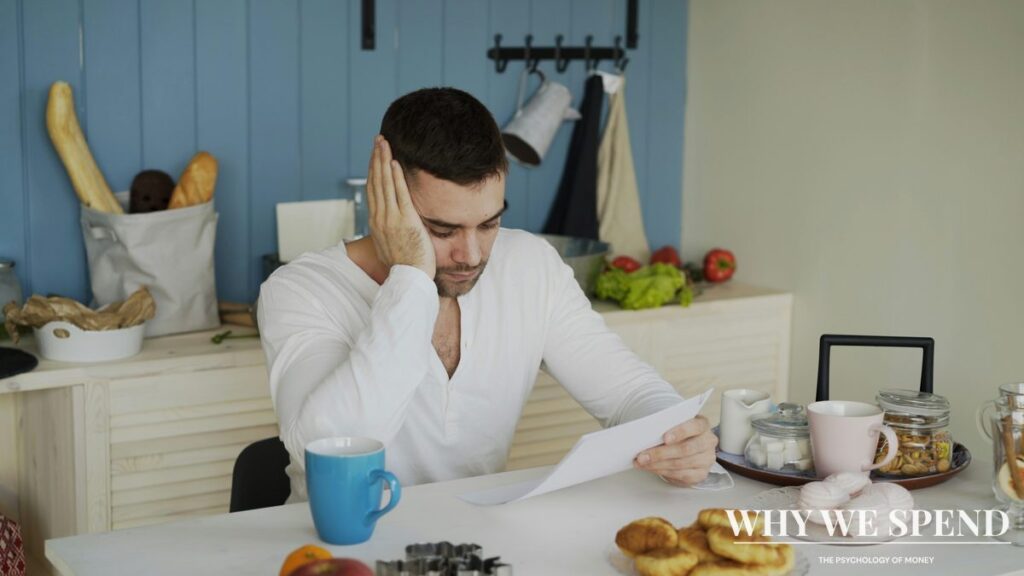
The wake-up call arrives differently for everyone. For some, it’s hitting 30 and realising their savings account can’t cover even three months of expenses. For others, it’s watching friends buy their first property whilst they’re still living paycheque to paycheque despite earning similar salaries. Sometimes it’s a medical emergency, a sudden retrenchment, or simply the exhausting feeling of running on a financial treadmill.
The mathematics of temporary spending reveal themselves harshly. Consider a typical scenario: spending an extra RM50 daily on convenience purchases that feel temporary—food delivery, Grab rides, impulse online shopping. That’s RM1,500 monthly or RM18,000 yearly. Over five years, that’s RM90,000 that vanished into temporary purchases, leaving nothing permanent behind.
What makes this particularly difficult for Malaysians and Singaporeans is the social pressure to maintain certain spending habits. When the group always goes to that particular restaurant, when everyone’s wearing certain brands, when the expectation is to travel twice a year—opting out feels like admitting financial struggle. Temporary spending becomes a way to maintain appearances whilst avoiding the admission that perhaps these habits aren’t sustainable.
The Permanent Reality Check
The shift happens when someone recognises that spending like everything is temporary has created a very permanent financial situation. The debt is permanent. The lack of savings is permanent. The stress is permanent. The opportunities missed because money wasn’t available—those losses are permanent too.
This realisation often brings initial panic, followed by an important question: if everything actually is permanent, what needs to change?
For many, the answer starts with acknowledging that current circumstances might be temporary, but the financial patterns being built are not. Someone might rent temporarily, but the savings habit (or lack thereof) becomes permanent. The job might be temporary, but the relationship with money being developed carries forward into every future opportunity.
The Permanence of Financial Patterns
Money psychology research shows that spending patterns solidify quickly. What starts as temporary behaviour becomes habit, then identity. The person who spends like everything is temporary eventually becomes someone who cannot imagine spending any other way. Breaking this pattern requires conscious intervention, not just waiting for circumstances to change.
Educational Principles: Shifting From Temporary to Intentional Spending

Moving away from spending like everything is temporary doesn’t mean abandoning present-moment enjoyment. It means building financial behaviours that work regardless of whether circumstances feel temporary or permanent.
Principle One: The Dual Timeline Approach
Adopt spending that serves both present and future. Even in temporary circumstances, certain financial actions build permanent value. Paying off debt works whether someone stays in a job one year or ten. Building savings protects regardless of where life goes next. The key is identifying which spending serves only the temporary moment versus which builds permanent financial stability.
Principle Two: The 48-Hour Temporary Test
Before making purchases that feel temporary and consequence-free, wait 48 hours. This pause creates space to assess whether the temporary feeling is accurate. Often, what feels like a small, temporary expense is actually part of a permanent pattern that adds up significantly over time.
Principle Three: Calculate the Permanent Cost
For any regular “temporary” expense, multiply by 12 months, then by five years. This calculation reveals the permanent cost of temporary spending. When that daily RM15 coffee run becomes RM27,375 over five years, the temporary nature becomes questionable. This isn’t about guilt—it’s about accurate information.
Principle Four: Build One Permanent Thing
Whilst maintaining temporary circumstances, commit to building one permanent financial foundation. This could be an emergency fund, consistent debt repayment, or regular savings transfers. Having one permanent element creates stability even when everything else feels uncertain.
Principle Five: Question the Temporary Label
Challenge assumptions about what’s actually temporary. The job might be temporary, but the career trajectory isn’t. The rental is temporary, but housing needs are permanent. The current income level might change, but the need for financial security won’t. This reframing helps separate genuinely temporary situations from permanent financial responsibilities being avoided.
The Long-Term Psychology of Permanent Decisions
Understanding that spending patterns are permanent even when circumstances feel temporary changes the entire approach to money. It shifts focus from “I’ll sort this out later when things settle down” to “What financial foundation am I building right now, regardless of how temporary this moment feels?”
For Singaporeans and Malaysians particularly, this matters because the regional culture often emphasises keeping up appearances through spending. The pressure to look financially comfortable can drive temporary spending that creates permanent financial insecurity. Breaking this cycle requires acknowledging that temporary discomfort—saying no to certain expenses, being honest about financial limitations—creates permanent benefits that far outweigh the temporary social awkwardness.
The most powerful shift happens when someone stops using “everything is temporary” as an excuse for financial avoidance and starts recognising it as a reason to build strong financial habits. After all, if everything truly is temporary, the one permanent thing worth building is financial resilience that travels with you regardless of where life goes next. The spending patterns developed today don’t disappear when circumstances change—they either become a permanent asset or a permanent liability. Choose accordingly.