
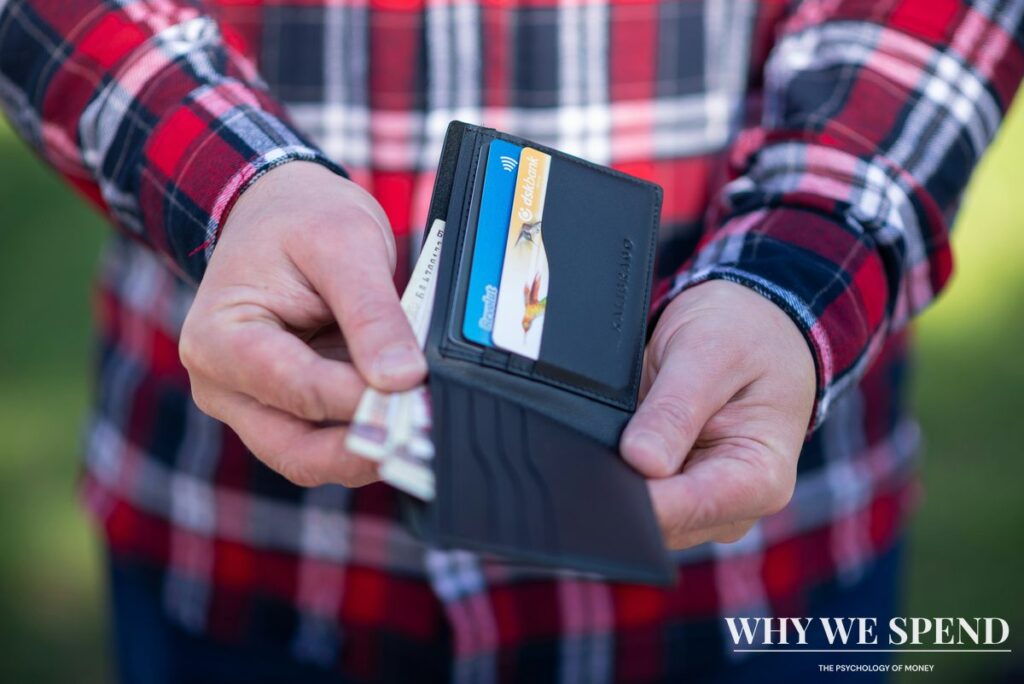
Spending like I’m financially fireproof isn’t about confidence—it’s about fear. When people swipe their cards for yet another weekend getaway to Bali or order the premium bubble tea despite mounting debts, they’re often not celebrating success. They’re running from a truth too uncomfortable to face: their finances are fragile, possibly broken, and acknowledging that feels absolutely terrifying.
This behaviour appears across HDB flats and condos in Singapore, shophouses and suburbs in Malaysia. It’s the friend who just bought a new iPhone on instalment despite complaining about credit card bills. It’s the colleague who books staycations at Marina Bay Sands whilst stressing about their dwindling savings. The spending doesn’t stop because stopping means admitting there’s a problem, and that admission feels like looking into an abyss
The Psychology Behind Spending Like I’m Financially Fireproof

Financial denial operates on a simple but powerful mechanism: what isn’t acknowledged can’t hurt. Or so the brain tells itself. When someone spends beyond their means consistently, they’re not being careless—they’re being protective. Protective of their self-image, their social standing, and their emotional equilibrium.
In Singapore and Malaysia, where face matters and prosperity signals social value, admitting financial struggle carries particular weight. The kopitiam conversations revolve around property purchases and renovation costs. Instagram feeds showcase holidays and hawker centre reviews that suggest an aspirational lifestyle. Against this backdrop, confessing to financial difficulty feels like social suicide.
So people spend to maintain the illusion. Each transaction becomes a small act of denial, a way to tell themselves and others: “I’m fine. Everything’s under control.” The brain finds this narrative far more comfortable than the alternative: “I’m scared. I don’t know how to fix this.”
The Maintenance Cost of Pretence
Maintaining the financially fireproof façade isn’t free. It costs money, obviously, but it also costs mental energy. There’s the constant low-level anxiety that comes from avoiding banking apps. The quickened heartbeat when credit card statements arrive. The elaborate mental gymnastics required to justify each purchase: “I deserve this,” “It’s just this once,” “I’ll sort it out next month.”
This psychological toll compounds the financial damage. Stress impairs decision-making, making it harder to break the cycle. The very anxiety someone tries to avoid by not facing their finances becomes the constant companion they can’t escape.
Why Admitting Financial Vulnerability Feels Impossible
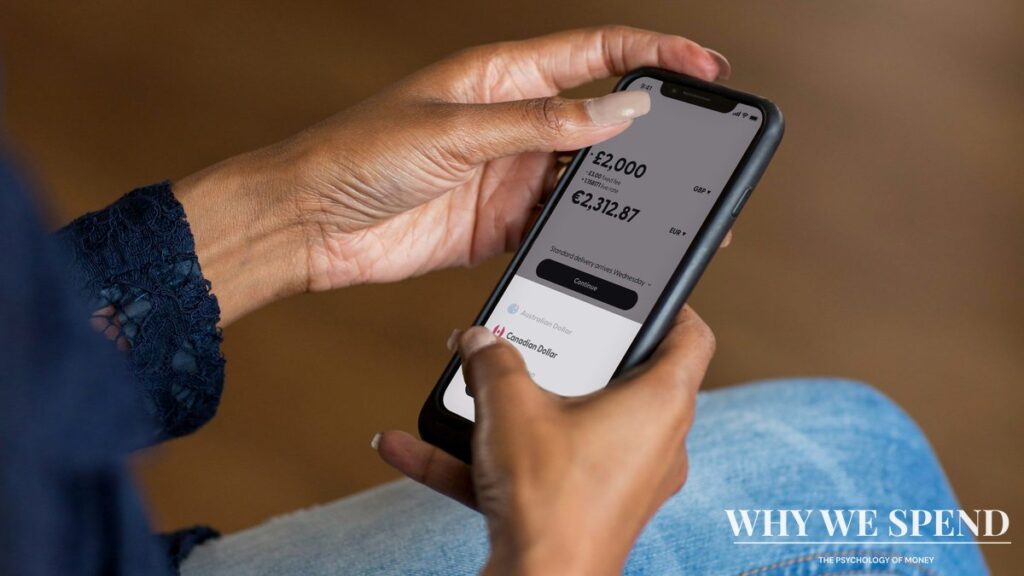
The resistance to financial honesty runs deep. In cultures that prize pragmatism and success—hallmarks of both Singaporean and Malaysian society—financial problems feel like personal failures. They suggest someone isn’t clever enough, hardworking enough, or disciplined enough.
For many, their relationship with money is tangled up with childhood experiences. Perhaps parents fought about finances, creating an association between money discussions and conflict. Maybe there was poverty in the family history, and current spending represents a defiant overcorrection: “I’ll never feel that lack again.”
Social media amplifies these feelings. When everyone’s feed shows holidays, new cars, and renovation reveals, staying quiet about financial strain whilst continuing to spend feels like the only way to stay included. The alternative—being honest about constraints—seems to invite pity, judgment, or exclusion from social circles.
The Shame Spiral
Shame feeds financial denial particularly effectively. Unlike guilt, which says “I did something bad,” shame says “I am bad.” This distinction matters enormously. Guilt can motivate change; shame paralyses. When someone feels ashamed of their financial situation, they hide it—from others, certainly, but also from themselves.
Spending whilst financially fireproof becomes a way to outrun shame. Each purchase temporarily silences the inner voice saying “you’ve messed up.” It provides proof of normalcy, of belonging, of being okay. Until the next statement arrives, anyway.
The Cost of Continuing This Pattern
The longer someone spends like they’re financially fireproof whilst knowing deep down they’re not, the worse the eventual reckoning becomes. Credit card interest compounds. Savings deplete faster. The gap between the maintained image and financial reality widens until it becomes a chasm.
In Singapore, where the cost of living ranks among the world’s highest, this pattern can accelerate quickly. A comfortable salary disappears into rent, car payments, and maintaining social appearances. In Malaysia, where salaries may stretch further but lifestyle inflation and comparison culture remain powerful, the same trap exists.
Beyond the financial mathematics, there’s an emotional cost. Relationships suffer under the weight of secrets. Partners may not know the full picture. Friends receive excuses rather than honesty. The person living this way becomes increasingly isolated, locked in a performance only they fully understand is a performance.
The Moment of Breaking
Eventually, something gives. Perhaps it’s a rejected card at a checkout. Maybe it’s a loan application declined. Sometimes it’s simply exhaustion—the weariness of maintaining a pretence becomes heavier than facing reality.
These breaking points, whilst painful, often become turning points. Not always, but often enough that they’re worth understanding as potential doorways rather than dead ends.
Learning to Spend From a Place of Financial Honesty
Breaking the pattern of spending like I’m financially fireproof starts not with budgets or apps, but with a single, difficult step: looking at the actual numbers. Not tomorrow. Not next month when things will supposedly be clearer. Today.
This doesn’t mean opening every statement and analysing every transaction immediately. That’s often too overwhelming. It means taking one small action that acknowledges reality: checking one account balance, opening one credit card statement, writing down one approximate figure of total debt.
The goal isn’t to solve everything. It’s to break the seal on denial. To prove to oneself that looking at financial reality, whilst uncomfortable, is survivable. Because it always is.
Building New Spending Patterns
Once reality enters the picture, spending decisions can shift from denial-based to reality-based. This doesn’t mean austerity or punishment. It means making choices from a place of awareness rather than avoidance.
Someone might still choose to buy premium coffee or book a short trip—but they’ll do so knowing what that choice means for their overall financial picture, rather than as an act of pretence. The spending behaviour might look similar from outside, but the internal experience transforms completely.
Lessons for Breaking Free From Financial Pretence

Several principles can help people move from spending like they’re financially fireproof to spending from financial honesty:
Start with observation, not judgment. Before trying to fix anything, simply observe current financial reality without self-criticism. What are the actual numbers? Where does money actually go? Judgment activates shame, which triggers more denial. Neutral observation creates space for change.
Share the truth with one safe person. Financial secrets maintain denial’s power. Telling one trusted friend, family member, or counsellor the real situation breaks isolation and often reveals that others have struggled similarly. This needn’t be a public declaration—just one honest conversation.
Separate identity from financial status. Financial situations are circumstances, not character judgments. Someone in debt isn’t a failure; they’re a person in debt. Someone with depleted savings isn’t worthless; they’re someone whose savings are currently low. These distinctions matter profoundly for maintaining the emotional stability needed to make changes.
Make one aligned spending decision. Rather than attempting a complete financial overhaul, make one spending choice that aligns with actual financial reality. Say no to one lunch out. Postpone one purchase. This creates evidence that living in financial honesty is possible and even empowering.
Address the fear beneath the spending. Usually, spending like one is financially fireproof masks a deeper fear: of being poor, of being excluded, of being seen as unsuccessful. Identifying and naming this fear reduces its power and helps address the real issue rather than medicating it with purchases.
Moving Forward Without Burning Down the Past
Breaking financial denial doesn’t require dramatic gestures or public confessions. It requires quiet honesty, first with oneself, then gradually with others. The path forward involves small, repeated choices to face rather than avoid, to acknowledge rather than pretend.
For Singaporeans and Malaysians navigating high costs of living, strong social expectations, and comparison culture intensified by social media, this work is particularly challenging. But it’s also particularly valuable. Financial honesty creates space for actual security—not the performed version, but the real thing built on sustainable choices and authentic relationships.
Spending like one is financially fireproof eventually fails because nobody is fireproof. Everyone’s finances have limits and vulnerabilities. The difference between those who build genuine financial stability and those who don’t isn’t fearlessness—it’s the willingness to feel the fear, acknowledge the vulnerability, and make choices from that honest place anyway. That’s not weakness. That’s the only real path to financial peace that exists.