
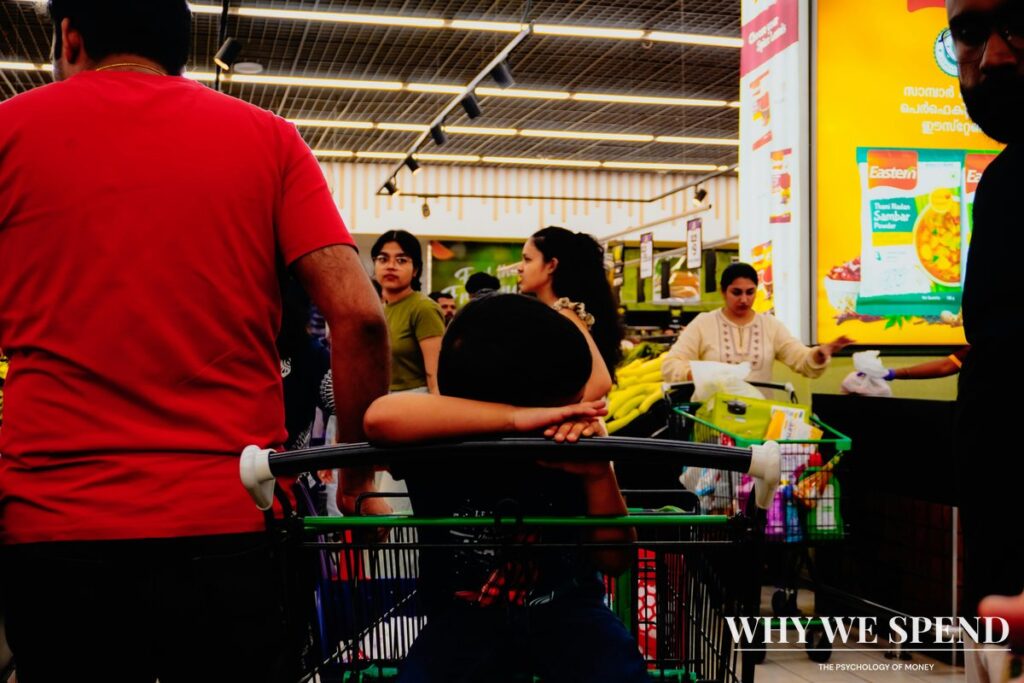
Food safety scares change shopping habits almost instantly. When news breaks about contaminated eggs, dodgy chicken, or tainted vegetables, shoppers immediately abandon their usual brands and rush to buy supposedly safer alternatives—often spending 20% to 50% more without actually verifying whether these premium options are genuinely safer. This outbreak response shopping pattern reveals how fear, not facts, drives our wallets during food crises.
Understanding this behaviour is crucial for Singaporean and Malaysian consumers who face regular food safety alerts, from salmonella scares to pesticide warnings. The financial impact extends beyond a single shopping trip; many households permanently switch to pricier brands based on a single news headline, adding hundreds of dollars to their annual grocery bills.
The Psychology Behind Food Safety Scares and Spending

When a food contamination story breaks, the brain’s threat detection system activates immediately. This ancient survival mechanism treats potential food poisoning as seriously as encountering a predator. The response is visceral, not rational.
Research shows that people overestimate risks from vivid, memorable events whilst underestimating everyday hazards. A dramatic news report about E. coli in vegetables feels more dangerous than the statistically greater risk of food poisoning from improper home food storage. This cognitive bias, called the availability heuristic, makes recent news feel more relevant than actual probability.
In Singapore and Malaysia, where food culture is deeply personal and families often shop at the same markets for decades, food safety scares trigger an additional layer of betrayal. That trusted uncle selling chicken rice ingredients suddenly becomes suspect. The neighbourhood supermarket where one’s children pick their breakfast cereal now requires scrutiny. This emotional dimension amplifies spending changes.
Why Premium Brands Win During Food Scares
Premium brands benefit enormously from food safety scares, even when they’re no safer than standard options. Consumers instinctively equate higher prices with better safety standards—an assumption that isn’t always accurate.
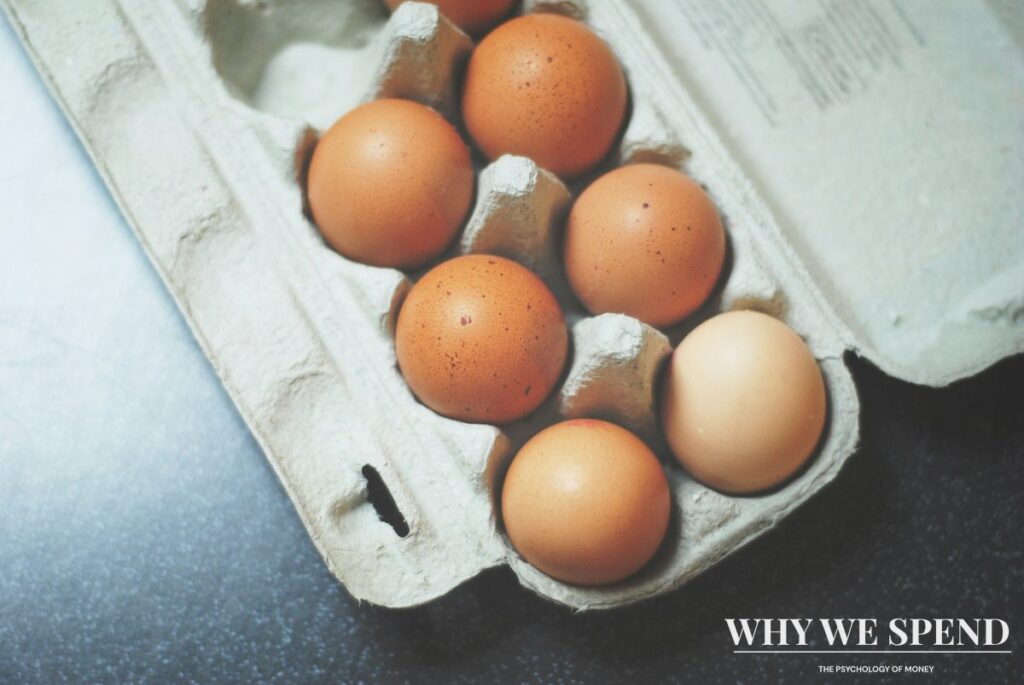
Consider what happens when news breaks about contaminated eggs. Shoppers at FairPrice or Tesco immediately bypass their usual $4 carton and reach for the $8 organic, free-range alternative. The assumption? Expensive equals safe. The reality? Both products likely meet identical safety standards and undergo the same government inspections.
This pattern appears consistently across product categories. When pesticide residue stories circulate, organic vegetable sales spike by 30% to 40%, even though conventional produce within legal limits poses negligible risk. When infant formula scares occur, parents switch to the most expensive brands available, despite all registered formulas meeting strict safety requirements.
How Food Safety Scares Change Shopping Habits Permanently
The troubling aspect of outbreak response shopping isn’t the immediate switch—it’s the permanent change. Studies indicate that 60% to 70% of consumers who switch brands during a food scare never return to their original choice, even after the crisis passes and authorities declare products safe.
This creates lasting financial impact. A Singaporean family spending an extra $30 weekly on “safer” alternatives accumulates $1,560 in additional annual grocery costs. Over five years, that’s $7,800—enough for a substantial holiday or emergency fund.
Malaysian households show similar patterns. When chicken supply issues coincided with safety concerns in 2022, many families permanently switched to more expensive protein sources or premium chicken brands. The weekly marketing budget, which previously averaged RM400, jumped to RM480 or more. These increases rarely reverse.
The Brand Loyalty Reset
Food safety scares effectively reset brand loyalty overnight. Decades of trust evaporate with a single news cycle. Shoppers who bought the same brand of rice, cooking oil, or dairy products for years abandon ship without a second thought.
This creates opportunities for competing brands that had no involvement in the scare. Clever marketing teams capitalise on these moments, emphasising safety certifications, testing protocols, and quality assurance—often for products that aren’t objectively safer, just better promoted.
The ‘Checking’ Illusion in Food Safety Decisions
Here’s the irony: whilst consumers believe they’re making informed safety decisions during food scares, very few actually research or verify their assumptions. The act of switching brands creates an illusion of taking protective action, satisfying the psychological need to “do something” without requiring actual investigation.
Surveys reveal that less than 15% of consumers who switch brands during food safety scares actually check government safety databases, read official recall notices, or verify which specific products were affected. Instead, they rely on social media chatter, WhatsApp forwards from relatives, or vague impressions from news headlines.
This creates bizarre spending patterns. During a 2021 vegetable contamination scare in Singapore, some shoppers avoided all locally grown produce and bought expensive imported alternatives—despite the contamination affecting only specific farms and import sources remaining unverified. The “checking” consisted of reading Facebook comments, not actual safety data.
Social Proof Amplifies Panic Spending
When kakis start discussing food scares at kopitiam sessions or in family WhatsApp groups, the pressure to switch brands intensifies. Nobody wants to be the irresponsible parent or spouse who ignored warnings and bought the “dangerous” product.
This social dimension transforms individual concern into collective action. If everyone at the wet market is suddenly buying a different brand of eggs, it feels foolish—even negligent—to stick with the usual choice. The financial cost of switching seems trivial compared to potential social judgment.
What Actually Determines Food Safety
Understanding actual food safety helps combat outbreak response overspending. In Singapore and Malaysia, food safety depends primarily on regulatory oversight, not brand prestige or price point.
The Singapore Food Agency (SFA) and Malaysia’s Ministry of Health maintain strict import and production standards. Products on supermarket shelves have already passed safety requirements, regardless of whether they cost $3 or $15. When genuine contamination occurs, authorities issue specific recalls naming affected products by batch number and production date—not entire brands or categories.
The factors that genuinely affect food safety in one’s home include proper refrigeration, cooking temperatures, cross-contamination prevention, and storage duration. These practices matter far more than choosing premium brands, yet they receive minimal attention during safety scares because they don’t offer the psychological satisfaction of immediate action through purchasing decisions.
Lessons for Smarter Spending During Food Safety Scares
Consumers can protect both their health and their wallets by adopting these principles when food safety concerns arise:
1. Identify Specific Affected Products
Check official sources like SFA’s website or the Ministry of Health Malaysia for precise recall information. Look for specific brand names, batch numbers, and production dates. If your usual product isn’t listed, there’s no reason to switch.
2. Wait 48 Hours Before Major Changes
Initial news reports often lack accuracy or context. Waiting two days allows clearer information to emerge and prevents panic-driven overspending. Use existing pantry items whilst gathering facts.
3. Question the Price-Safety Assumption
Before paying premium prices for “safer” alternatives, verify whether they actually undergo different safety protocols. In most cases, they don’t. Regulatory standards apply equally across price points within the same product category.
4. Calculate Long-term Costs
Multiply weekly spending increases by 52 to see annual impact. Seeing that an extra $20 weekly means $1,040 yearly often provides perspective that curbs unnecessary permanent switches.
5. Improve Home Food Safety Practices
Channel concern into actions that genuinely reduce risk: proper refrigeration, thorough cooking, avoiding cross-contamination, and respecting expiry dates. These free or low-cost measures provide better protection than brand switching.
6. Resist Social Pressure
When relatives or friends share alarming food safety messages, politely ask for official sources before changing shopping habits. Protecting family finances from unnecessary expenses is responsible, not reckless.
Taking Control of Food Safety Spending
Food safety scares change shopping habits because they trigger powerful emotional responses that bypass rational analysis. Recognising this pattern is the first step towards better financial decisions during moments of uncertainty.
The goal isn’t to ignore legitimate safety concerns—it’s to respond proportionally with verified information rather than fear-driven overspending. By checking official sources, questioning assumptions, and calculating long-term costs, Singaporean and Malaysian households can protect their health without unnecessarily inflating their grocery bills. The safest purchase isn’t always the most expensive one; it’s the informed one.