
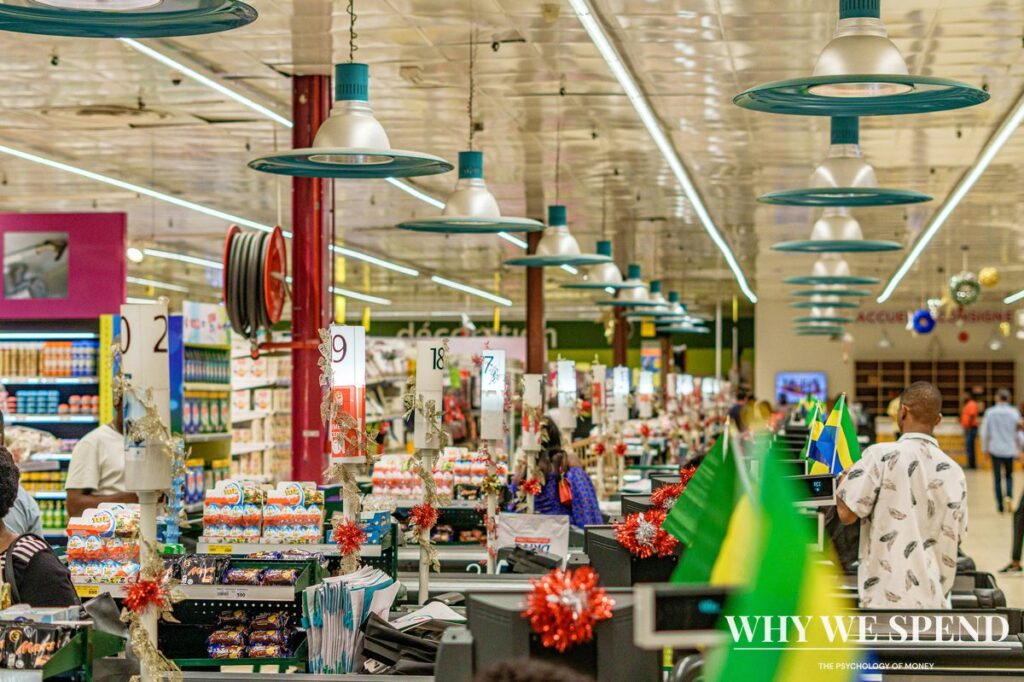
Panic buying during inflation creates a self-fulfilling prophecy that Singaporeans and Malaysians know all too well. The moment news breaks about potential price increases—whether it’s cooking oil in Malaysia or eggs in Singapore—supermarket aisles transform into battlegrounds. Trolleys overflow with bulk purchases, shelves empty within hours, and the very scarcity people feared becomes reality. This phenomenon reveals a fascinating psychological trap: the act of preparing for inflation often accelerates the problem itself.
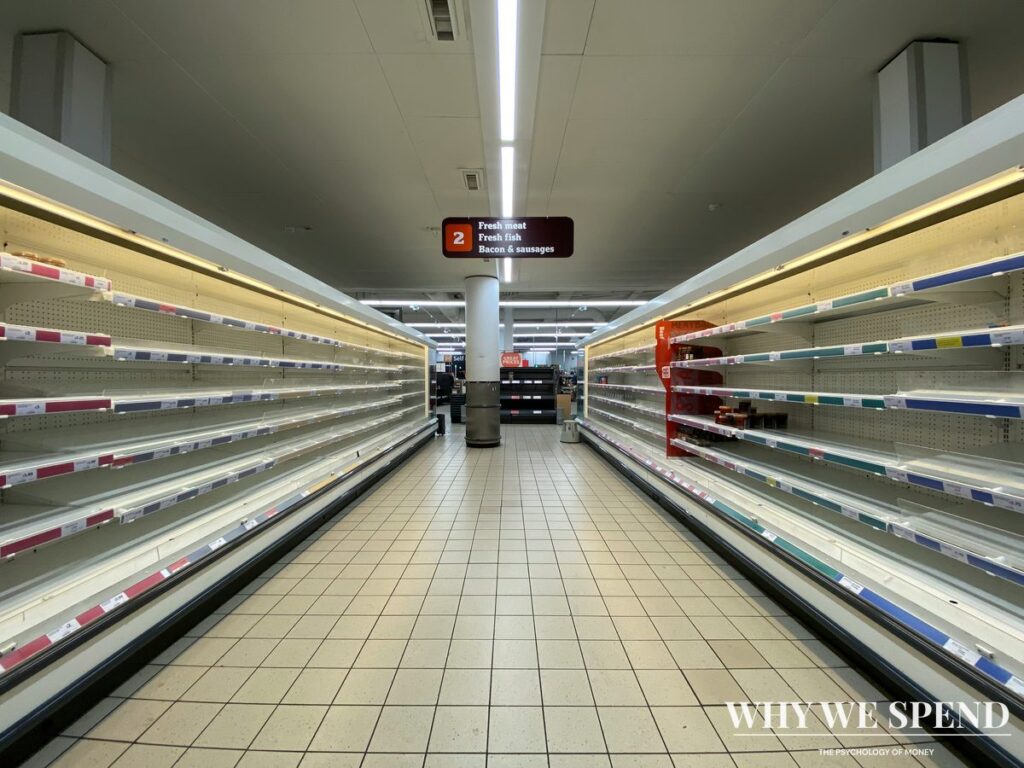
The pattern has repeated itself countless times across Southeast Asia. In 2022, when Malaysia announced potential cooking oil shortages, panicked shoppers cleared shelves within days, creating genuine scarcity where only potential shortages existed. Singapore experienced similar scenes during various supply chain disruptions. The behaviour seems logical on an individual level—buy now before prices jump—but when everyone acts simultaneously, the collective action triggers the exact price surge people hoped to avoid.
The Psychology Behind Panic Buying During Inflation
At its core, this behaviour stems from loss aversion, a powerful psychological principle where people feel the pain of loss roughly twice as intensely as the pleasure of equivalent gains. When someone hears that chicken rice might cost fifty cents more next month, the anticipated “loss” of cheaper prices today feels more urgent than any rational calculation about actual need.
This reaction intensifies in inflationary environments because money itself feels unstable. A Singaporean with $5,000 in savings might reason that spending $500 on rice, canned goods, and household supplies today preserves value better than watching that cash lose purchasing power. The logic contains a kernel of truth, which makes the behaviour particularly sticky.
Social proof compounds the problem. When neighbours start stockpiling, fence-sitters quickly join in, fearing they’ll be left behind. In Malaysian housing estates, one person’s bulk toilet paper purchase can trigger a chain reaction throughout the entire neighbourhood within days. WhatsApp groups amplify these behaviours, with messages like “Better stock up on cooking oil lah, heard prices going up 30%!” spreading faster than official announcements.
How Panic Buying During Inflation Becomes Self-Fulfilling
The mechanics of this self-fulfilling prophecy operate on multiple levels. Retailers, observing sudden demand spikes, face a choice: maintain prices and risk stock-outs, or raise prices to manage demand and protect inventory. Most choose the latter, especially when their own suppliers are increasing wholesale prices.
This creates a feedback loop. Initial panic buying justifies price increases, which validates the panic buyers’ instincts, encouraging more people to join the rush. Within weeks, a rumoured 10% price increase can manifest as a genuine 15-20% jump, purely from demand-side pressure before any supply-side inflation takes effect.
The situation becomes particularly acute for essential goods with inelastic demand. Malaysians need cooking oil regardless of price, and Singaporeans cannot simply stop eating rice. Suppliers understand this dynamic, and panic buying signals that consumers are willing to pay more, at least in the short term.
The Retailer Response Cycle
Major retailers in Singapore and Malaysia have developed sophisticated responses to panic buying. During the 2020 circuit breaker period, some supermarkets implemented purchase limits, but these often arrived too late to prevent initial hoarding. Smart retailers now monitor social media sentiment, adjusting pricing strategies before panic fully sets in.
This creates an uncomfortable reality: rational actors within the system (retailers, distributors, suppliers) respond rationally to irrational consumer behaviour, producing outcomes that hurt everyone. The retailer protecting margins, the distributor managing uncertain supply, and the consumer hoarding toilet paper are all making individually sensible decisions that collectively create chaos.
Why Smart Shoppers Still Join the Panic
Perhaps most telling is how financially literate consumers—people who understand inflation, supply chains, and behavioural economics—still participate in panic buying. This isn’t ignorance; it’s strategic response to a coordination problem.
Consider a Singaporean economist who knows panic buying worsens inflation. She also knows her neighbours are stockpiling. If she abstains from panic buying while everyone else hordes, she faces genuine shortages without any moral victory. The system doesn’t reward individual restraint when collective action creates real scarcity.
This creates what game theorists call a “tragedy of the commons” scenario. Everyone benefits from restraint, but individual incentives push toward hoarding. The Malaysian shopper who waits patiently for panic to subside might face empty shelves and higher prices, essentially being punished for good citizenship.
The Information Cascade Effect
Information cascades make this worse. When someone sees queues forming at a particular store or notices certain items disappearing, they infer that others possess information they lack. Maybe those shoppers know something about upcoming shortages or price hikes. This inference triggers action even without direct knowledge of the underlying cause.
In Malaysia’s multi-ethnic society, these cascades can follow community lines, with information spreading rapidly through religious networks, clan associations, or neighbourhood groups. Singapore’s compact geography means entire housing estates can shift from normal shopping patterns to panic buying within 24 hours.
Breaking Free from the Panic Buying Cycle
Understanding the psychology offers pathways to better individual responses, even if collective behaviour remains unchanged. The key lies in distinguishing between genuine preparation and panic-driven hoarding.
Genuine preparation involves maintaining reasonable inventory buffers—perhaps a month’s supply of non-perishables—that rotate through normal consumption. This provides security without contributing to artificial scarcity. A Singaporean household might keep extra rice, canned goods, and toiletries, buying replacements during normal shopping trips rather than reactive bulk purchases.
Panic-driven hoarding, by contrast, involves buying quantities far exceeding normal consumption patterns, often of items with short shelf lives. The Malaysian who purchases six months of fresh vegetables during a price scare will likely waste most of it, negating any savings from bulk buying.
The 72-Hour Rule
When news breaks about potential price increases, applying a 72-hour waiting period before making bulk purchases can help separate genuine need from panic response. This cooling-off period allows time to research actual supply situations, compare prices across retailers, and assess whether immediate action is truly necessary.
During this waiting period, asking specific questions helps: Has official supply chain information been released? Are multiple sources confirming the shortage or price increase? What is the timeline for these changes? Often, the answers reveal that immediate panic buying is premature.
Practical Lessons for Managing Inflation Anxiety

Several actionable principles can help consumers respond more effectively to inflation fears:
First, maintain baseline preparation without reactive hoarding. A modest stockpile of genuinely useful items provides security without triggering supply problems. This means having perhaps two to four weeks of household essentials rather than six months.
Second, diversify shopping patterns before panic sets in. Singaporeans who regularly shop at multiple retailers, including online platforms and neighbourhood shops, have more options when panic buying hits major supermarkets. Malaysians who cultivate relationships with local wet market vendors often maintain access to supplies even during shortages at hypermarkets.
Third, focus spending on genuine value preservation rather than hoarding perishables. If inflation concerns are valid, investing in durable goods that were already needed, or prepaying for services at current prices, makes more sense than stockpiling items that might spoil.
Fourth, recognise that price volatility cuts both ways. Panic-driven price spikes often reverse once supply chains normalise and hoarded goods saturate household inventories. The patient shopper who waits out the initial panic frequently finds better deals weeks later.
Fifth, community coordination, while difficult to achieve, offers the strongest protection. Housing estate groups or neighbourhood networks that agree to maintain normal purchasing patterns can collectively avoid creating artificial scarcity.
The Bigger Picture
Panic buying during inflation highlights how individual rationality can produce collective irrationality. Each person making a sensible personal decision—stock up before prices rise—creates an outcome nobody wanted: immediate scarcity and accelerated price increases.
This dynamic extends beyond grocery shopping into property markets, currency exchanges, and even job changes. The same psychology that drives Singaporeans to hoard rice during supply scares also pushes Malaysians to rush into property purchases when development plans are announced, often inflating prices beyond sustainable levels.
Breaking these cycles requires both individual discipline and systemic solutions. While waiting for better policy responses—strategic reserves, price stabilisation mechanisms, improved supply chain transparency—individuals can at least avoid making the problem worse through their own actions.
The next time headlines scream about impending price increases, the most valuable response might be the hardest: doing nothing. Maintaining normal shopping patterns, trusting in supply chain resilience, and recognising that panic buying often creates more problems than it solves. In a world where everyone’s instinct is to grab what they can, restraint becomes its own form of financial wisdom.