
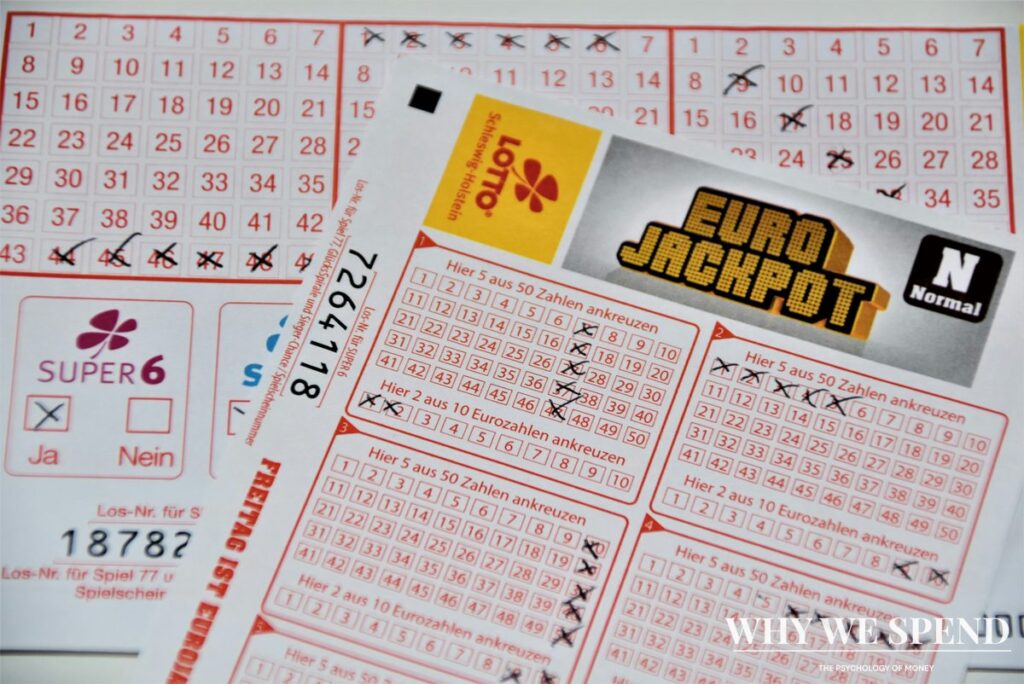
Buying lottery tickets when money is tight is one of the most paradoxical spending behaviours people exhibit during financial stress. When bank accounts run low and bills pile up, many Singaporeans and Malaysians find themselves queuing at 4D counters or Toto outlets, spending that last RM20 or SGD $10 on a chance at millions rather than using it to chip away at their actual financial problems. The behaviour seems irrational on the surface—gambling away scarce resources when you can least afford to lose them—but the psychology behind it reveals something deeply human about how people cope with financial helplessness.
The uncomfortable truth is that sometimes, the fantasy of escape genuinely feels cheaper than the overwhelming cost of actually fixing one’s problems. When someone faces SGD $15,000 in credit card debt or needs RM8,000 for a car repair they cannot afford, that lottery ticket becomes more than just a gamble. It becomes a brief mental vacation from crushing financial reality, and for the price of a kopitiam lunch, it offers something their actual circumstances cannot: hope.
The Economics of Hope Versus the Maths of Reality

The average person who buys lottery tickets when money is tight is not stupid or mathematically illiterate. They know the odds are astronomical. They understand that 4D has roughly a 1 in 10,000 chance for a basic prize, and that Toto’s jackpot odds are worse still. But this spending behaviour is not about rational calculation—it is about emotional economics.
When facing genuine financial hardship, the psychological distance between one’s current state and financial stability can feel insurmountable. Someone earning SGD $3,000 monthly who needs to pay off SGD $20,000 in debt might calculate that even with aggressive saving, they are looking at two years of deprivation and stress. The emotional weight of that timeline feels unbearable. A lottery ticket, by contrast, offers the possibility—however remote—of instant transformation. For that brief period between purchase and the draw, that person gets to mentally inhabit a world where their problems have vanished.
This is what researchers call “poverty premium”—the phenomenon where being poor actually costs more. People with limited resources often make choices that seem counterproductive but are actually rational responses to impossible circumstances. The SGD $5 spent on lottery tickets might have paid for a meal, but it could not have made a meaningful dent in that SGD $20,000 debt. So instead, it purchases something scarce in a difficult financial situation: a few hours of feeling like escape is possible.
Why Fixing Problems Feels More Expensive Than Fantasy
The real cost of solving financial problems extends far beyond money. It demands time, sustained effort, emotional energy, and often, significant lifestyle changes that feel like punishment. Someone struggling with debt might need to take on a second job, cut social spending to nearly zero, move to cheaper accommodation, or have difficult conversations with family about money. Each of these solutions requires not just financial resources but psychological ones—willpower, social capital, emotional resilience.
When buying lottery tickets when money is tight, people are not just seeking money. They are seeking a solution that does not require them to have more capacity than they already possess. The exhausted office worker juggling two jobs and childcare responsibilities knows intellectually that budgeting better or earning more would help, but they genuinely lack the mental bandwidth to execute these solutions. The lottery ticket asks nothing of them except RM5 and allows them to maintain the fantasy that relief might come without additional sacrifice.
The Illusion of Control in Uncontrollable Situations
There is also a subtle psychological payoff in the act of purchasing itself. Choosing numbers, whether it is birth dates or “lucky” digits, creates an illusion of agency. When someone feels financially powerless—unable to negotiate a raise, escape debt, or change their circumstances—the simple act of selecting lottery numbers provides a moment where they feel they are doing something, taking action, however ineffective. This false sense of control temporarily alleviates the anxiety that comes from genuine powerlessness.
The Social Dimension of Lottery Spending During Hardship

In Singapore and Malaysia, lottery culture carries particular social dimensions that amplify its appeal during financial stress. Stories of overnight millionaires circulate through kopitiam conversations and family WhatsApp groups. That auntie’s neighbour’s son who struck 4D and paid off his HDB flat. The taxi driver who won Toto and retired to Johor Bahru. These narratives, whether true or embellished, create a cultural script where lottery wins feel more possible than they statistically are.
This social reinforcement matters because financial struggle often comes with shame and isolation. People hide their money problems from friends and family, maintaining appearances whilst drowning privately. Buying a lottery ticket becomes a socially acceptable way to acknowledge financial desire without admitting financial desperation. Nobody questions why someone buys Toto, but admitting you cannot afford your child’s school fees carries stigma.
When Fantasy Becomes Self-Sabotage
The line between harmless coping mechanism and genuine self-sabotage is not always clear, but it exists. Occasional lottery ticket purchases during stress might be an expensive but ultimately minor form of emotional relief. However, when buying lottery tickets when money is tight becomes a pattern that meaningfully worsens someone’s financial situation, the behaviour has crossed into harmful territory.
Signs that lottery spending has become problematic include: spending more than one can genuinely afford even for small indulgences, buying tickets with money allocated for necessities, increasing frequency or amounts during financial crisis, using lottery fantasies to avoid addressing concrete financial problems, or feeling unable to cope with stress without the possibility of a win.
The tragedy is that the worse someone’s financial situation becomes, the more appealing the lottery fantasy grows, creating a cycle where financial stress triggers the very behaviour that perpetuates that stress.
Lessons: Breaking the Cycle Without Breaking Hop

Understanding why people buy lottery tickets during financial hardship is not about judgment—it is about recognising that this behaviour serves genuine psychological needs that alternatives must address to be effective.
Recognise What the Lottery Ticket Actually Provides
The first step is honest assessment. The lottery ticket is not really about winning—it is about hope, escape, and momentary relief from financial anxiety. Identifying these needs allows for finding healthier, more effective ways to meet them. A person might need affordable stress relief, social connection, or simply permission to rest without guilt.
Make Small Fixes Feel Meaningful
One reason the lottery appeals is that it promises total transformation. Real financial improvement rarely works that way, but reframing small progress as meaningful can reduce the appeal of all-or-nothing fantasies. Paying off RM50 of debt does not feel as exciting as imagining a million-ringgit win, but tracking these small victories and celebrating them creates positive feedback that lottery tickets can never deliver.
Create Controlled Escape That Does Not Cost Resources
If the lottery ticket functions as mental escape, that need deserves acknowledgment. Free or cheap alternatives might include library books, walking in nature, or time-limited social media breaks—activities that provide psychological relief without depleting limited financial resources. The goal is not to eliminate the need for escape but to find versions that do not worsen one’s situation.
Address the Hopelessness Directly
Sometimes buying lottery tickets when money is tight signals that someone has lost faith in their ability to improve circumstances through their own efforts. This hopelessness is the real problem, and it may require external support—whether community resources, debt counselling, or simply honest conversation with trusted people about the true state of one’s finances. Hope should not require astronomical odds; it should come from seeing realistic paths forward, even if those paths are slow and difficult.
Set Boundaries Without Eliminating Agency
For those who find lottery purchases comforting but worry about overspending, clear boundaries can help. This might mean allocating a specific small amount monthly for “hope spending” whilst protecting money for necessities, or choosing to buy tickets only during particular circumstances rather than as a regular response to stress. The goal is not total elimination but conscious choice rather than compulsive reaction.
The Uncomfortable Reality Behind the Fantasy
Buying lottery tickets when money is tight will never be the financially optimal choice, but humans are not optimization machines. People are messy, emotional beings who need hope, relief, and occasional escape—needs that become more urgent, not less, during financial hardship. The real question is not whether these needs are valid, but whether lottery tickets are the best available way to meet them.
For most people, the answer is no. The temporary relief comes at the cost of perpetuating exactly the financial stress they are trying to escape. But recognising this pattern is not about self-criticism—it is about self-understanding. When someone notices themselves reaching for that lottery ticket as money gets tighter, it is a signal worth examining. What does that ticket represent? What need is it meeting? And what other options might meet that need without the false promise and real cost?
Financial problems rarely have simple solutions, and they certainly cannot be solved by chance alone. But understanding why escape feels cheaper than repair is the first step toward finding solutions that are both realistic and sustainable—solutions that do not require beating million-to-one odds to work.