
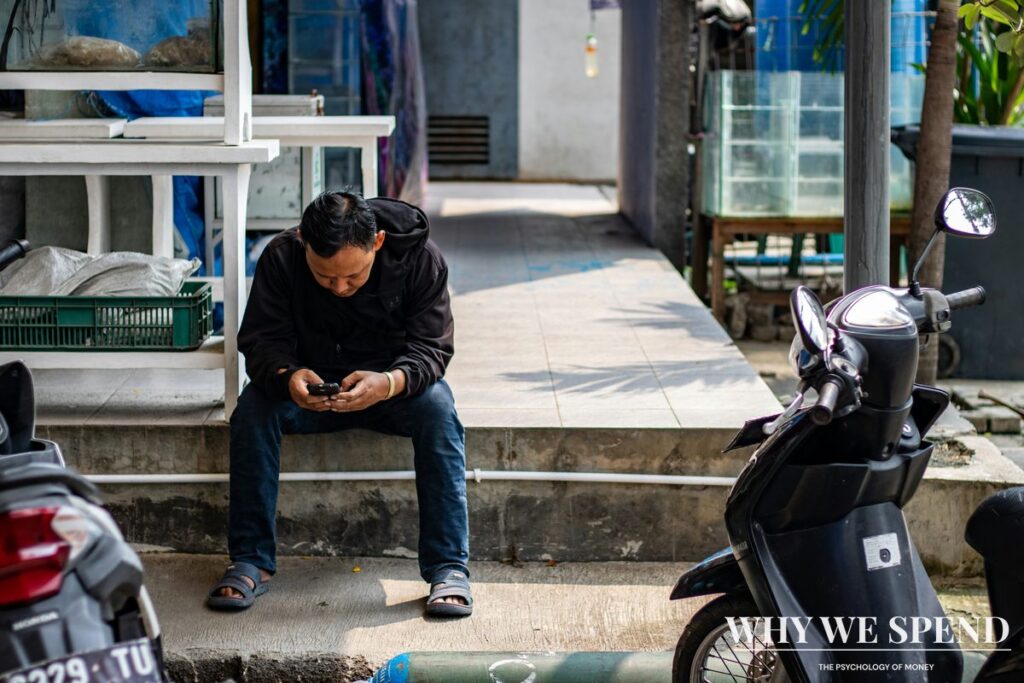
Market crash morning spending psychology reveals a peculiar pattern: the moment financial news turns sour, people either rush to spend impulsively or freeze their wallets completely. This binary response happens almost instantly, often before rational thought catches up. Understanding why bad financial news triggers such extreme spending behaviours can help prevent costly mistakes during turbulent economic times.
Whether it’s a sudden stock market plunge, cryptocurrency crash, or grim economic forecast, the psychological impact on spending habits is immediate and profound. Singaporeans and Malaysians, particularly those aged 25-40 who constantly monitor financial apps and news feeds, experience this phenomenon acutely. The question isn’t whether bad financial news affects spending—it’s understanding which camp one falls into and why.
The Panic-Spending Response to Market Volatility
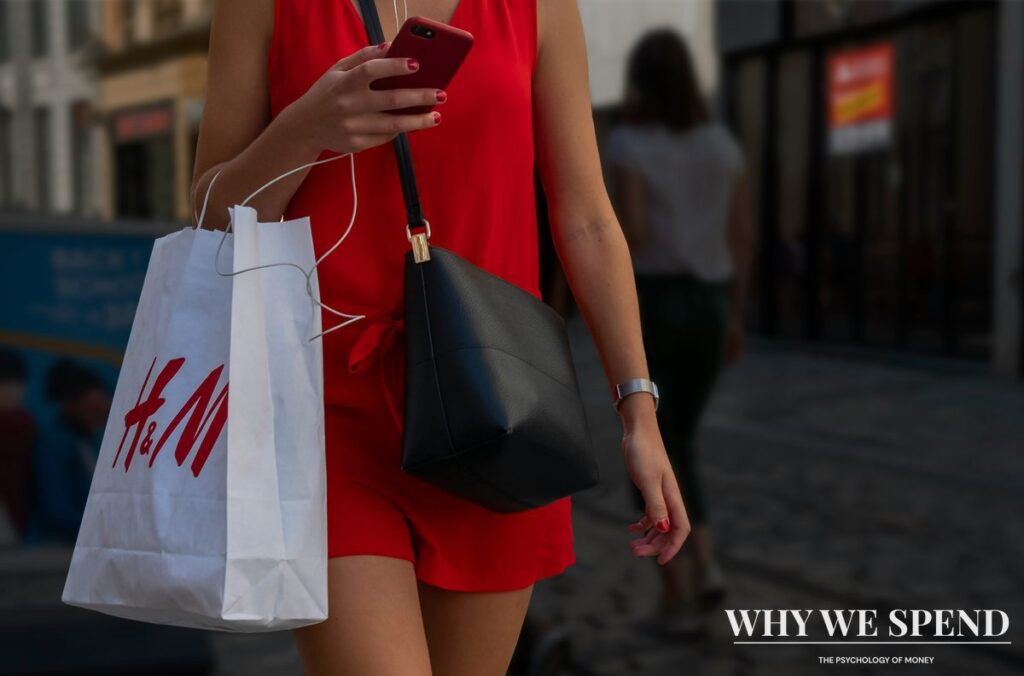
When markets tumble, a significant portion of people respond by spending more, not less. This counterintuitive behaviour stems from what psychologists call “financial fatalism”—the belief that if everything’s going downhill anyway, there’s no point in saving. The internal monologue goes something like: “My investments just dropped 15%, so what’s another RM500 on Shopee?”
In Singapore, this manifests as sudden splurges on comfort purchases. Expensive kopitiam breakfasts become elaborate brunch buffets at Marina Bay hotels. The usual hawker centre lunch transforms into a Japanese omakase dinner. These aren’t planned treats; they’re emotional reactions to feeling financially vulnerable.
Malaysian shoppers exhibit similar patterns, particularly on e-commerce platforms. Data shows increased cart activity during market downturns, with shoppers gravitating towards “treat yourself” categories—electronics, fashion, and food delivery services. The psychological mechanism is simple: external financial chaos creates internal anxiety, and spending provides temporary relief.
The ‘Already Lost’ Mental Accounting Trap
This spending surge operates on flawed mental accounting. When someone sees their investment portfolio drop RM10,000, their brain categorises that money as “already lost.” This creates a dangerous permission structure: since they’ve already “lost” money through market movements, additional spending feels less consequential. It’s the financial equivalent of breaking a diet—once you’ve eaten one biscuit, the whole packet suddenly seems fair game.
The reality? Paper losses in investments aren’t the same as actual spending. Markets fluctuate; money spent on impulse purchases is genuinely gone. This distinction gets blurred during market crash mornings when emotions run high.
The Complete Spending Freeze Phenomenon
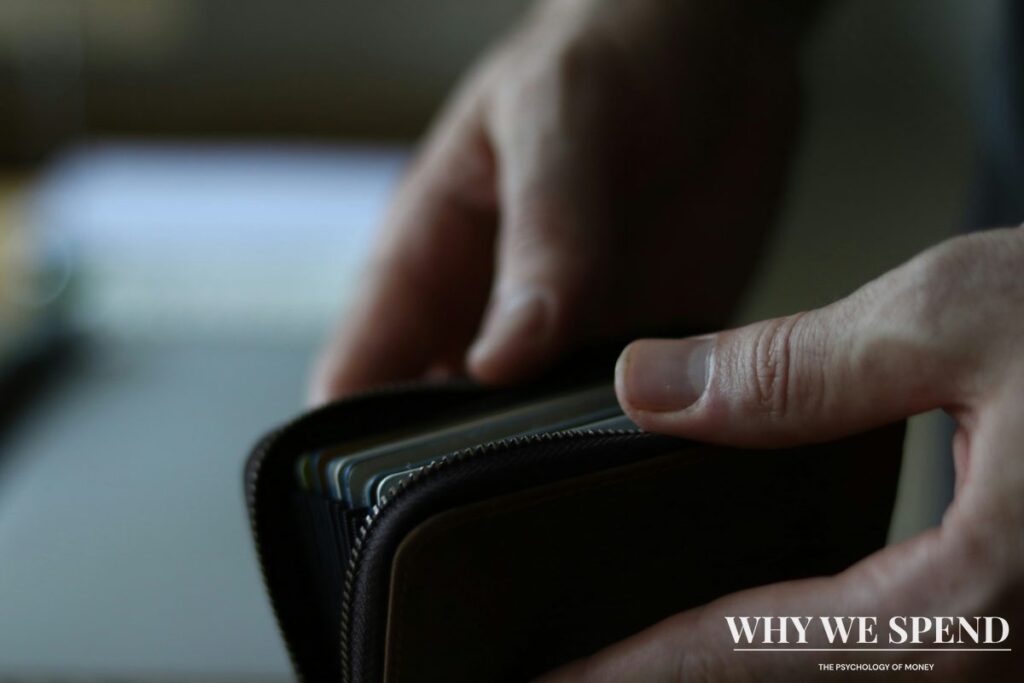
On the opposite end sits the freeze response—people who shut down all spending the moment bad financial news breaks. These individuals cancel subscriptions, postpone purchases, and scrutinise every transaction with newfound intensity. Their wallets become Fort Knox overnight.
This overcorrection stems from loss aversion, a psychological principle where people feel losses roughly twice as intensely as equivalent gains. When markets crash, the fear of future losses becomes so overwhelming that spending on anything—even necessities—feels dangerous. Kiasu mentality intensifies this in Singapore and Malaysia, where cultural emphasis on financial security runs deep.
The freezing response isn’t inherently wrong, but extreme versions create their own problems. Delaying necessary purchases (replacing worn tyres, getting dental work done, maintaining essential equipment) can lead to higher costs later. Some people freeze so completely they damage relationships by cancelling plans or refusing to participate in social activities that involve money.
The Scarcity Mindset Spiral
Complete spending freezes often trigger a scarcity mindset that colours all financial decisions. Every ringgit or dollar becomes precious beyond reason. This mental state consumes enormous cognitive resources—the constant vigilance and calculation create decision fatigue that ironically leads to poor financial choices later.
Research shows that scarcity mindset reduces cognitive bandwidth, making complex financial planning harder. People become so focused on immediate penny-pinching that they miss bigger-picture opportunities or make hasty decisions when their mental resources are depleted.
Market Crash Morning Spending Psychology and Social Media
Social media amplifies both spending responses during market turbulence. Platforms become echo chambers where panic-spenders justify their purchases (“treating myself because the world is ending lol”) and freezers validate their anxiety (“cancelled everything, living on instant noodles now”).
The constant stream of financial doom-scrolling intensifies emotional responses. Seeing others’ reactions—whether panicked spending or extreme frugality—creates social proof that normalises extreme behaviour. WhatsApp group chats fill with screenshots of red portfolios, triggering collective anxiety that spreads faster than any virus.
For Singaporeans and Malaysians who are particularly active on Telegram investment channels and Facebook investment groups, this exposure to others’ market crash reactions creates a feedback loop. Someone posts about their losses, others chime in, emotions escalate, and suddenly rational spending decisions feel impossible.
Why Both Extreme Responses Miss the Point
Both panic-spending and complete freezing share the same root: they’re emotional reactions masquerading as financial decisions. Market volatility reveals existing anxieties about money, control, and security. The spending behaviour—whether excessive or completely restricted—is actually an attempt to regain a sense of control when external events feel chaotic.
The spending itself becomes a coping mechanism, not a thoughtful financial choice. This explains why both responses often lead to regret. Panic-spenders wake up to delivery notifications and wonder “why did I buy this?” Freezers miss important experiences and realise they overreacted to temporary market movements.
Understanding that these are emotional responses, not rational financial strategies, is the first step towards better market crash morning spending psychology.
Lessons: Breaking the Market Crash Spending Cycle

The key to managing market crash morning spending psychology lies in recognising the pattern and implementing circuit breakers before emotions take control.
Create a 24-Hour Rule for Non-Essential Purchases
When bad financial news hits, institute a mandatory 24-hour waiting period before any non-essential purchase over RM100 or S$50. This simple pause allows the emotional spike to settle. Most panic purchases lose their appeal once the initial anxiety subsides.
Separate Market Volatility from Personal Finances
Market movements, unless one is actively selling, don’t immediately change one’s daily financial situation. Bills remain the same. Salary doesn’t suddenly disappear. Recognising this separation prevents both panic-spending and excessive freezing. Ask: “Has my actual cash flow changed, or just my portfolio value?”
Pre-Commit to Spending Boundaries
Before market crashes happen, establish clear spending boundaries for volatile periods. Decide in advance: “During market turmoil, I’ll maintain my normal budget plus/minus 10%.” This pre-commitment removes the need to make decisions when emotions run high. It’s like packing healthy snacks before a long flight—planning for a predictable challenge.
Limit Financial News Consumption
Checking portfolio values and reading market news every hour intensifies emotional responses. During volatile periods, designate specific times (once daily or even weekly) to review financial information. This isn’t ignorance; it’s emotional hygiene that enables better decision-making.
Acknowledge the Emotional Need Behind the Urge
When the urge to spend or freeze strikes during market turmoil, pause and identify the underlying emotion. Is it fear? Helplessness? Anxiety about the future? Acknowledging these feelings directly, rather than acting them out through spending behaviour, creates space for rational choices. Sometimes a conversation with a trusted friend or even journaling provides the emotional release without the financial consequences.
Finding Balance When Markets Tumble
Market crash morning spending psychology reveals fundamental truths about how people relate to money during uncertainty. Neither panic-spending nor complete freezing serves long-term financial wellbeing. Both are understandable emotional responses to feeling out of control, but emotions make poor financial advisers.
The most effective approach combines emotional awareness with practical boundaries. Recognise when market volatility is triggering spending urges—whether towards excess or complete restriction—and create systems that prevent impulse reactions. This doesn’t mean ignoring feelings; it means not letting those feelings directly control the wallet.
For Singaporeans and Malaysians navigating increasingly volatile global markets whilst managing daily expenses in high-cost cities, mastering this balance becomes essential. The next market crash morning will come. Having strategies in place before that happens transforms a potential financial disaster into just another day of making conscious, grounded decisions about money.