

The sunk cost fallacy drives countless people to throw good money after bad, keeping them trapped in expensive mistakes long after walking away would have been the rational choice.
Whether it’s continuing to renovate a problematic property, maintaining a car that’s become a money pit, or funding a failing business, this psychological trap affects Singaporeans and Malaysians across all income levels. Understanding why we keep pouring money into problem projects—and how to recognise when we’re caught in this pattern—can save thousands of ringgit or dollars in unnecessary expenses.
What the Sunk Cost Fallacy Looks Like in Real Life
Picture this: Someone purchases a resale flat in Singapore for $650,000, planning minor renovations. Six months later, they’ve spent an additional $80,000 on unexpected issues—leaking pipes, electrical rewiring, and water damage behind the walls. Each problem reveals another, yet they keep paying contractors because “we’ve already invested so much, we can’t stop now.” This is the sunk cost fallacy in action.
In Malaysia, a similar scenario plays out with second-hand cars. A driver buys a continental car for RM45,000, then faces a RM8,000 repair bill. Three months later, another RM5,000 issue emerges. Despite mechanics suggesting it’s time to cut losses, the owner continues repairs, reasoning that they’ve “already spent so much” to abandon the vehicle now.
The pattern appears everywhere: gym memberships used twice but renewed “because I paid for the whole year,” business ventures bleeding cash monthly because “we’ve invested too much to quit,” or relationships where financial entanglement keeps people together long past their expiry date.
The Psychology Behind Why We Keep Spending on Failed Projects

Several psychological forces work together to keep people trapped in the sunk cost fallacy, even when the rational choice seems obvious to outsiders.
Loss Aversion and Face-Saving
Humans feel losses roughly twice as intensely as equivalent gains. Admitting that $50,000 spent on renovations was wasted hurts more than the potential relief of stopping additional losses. In Asian cultures, there’s an added layer: the fear of “losing face” or appearing foolish for making a bad initial decision.
This face-saving instinct runs particularly deep in Singapore and Malaysia, where family and social circles often discuss property investments, car purchases, and business ventures. Admitting a mistake means acknowledging poor judgement in front of parents, siblings, or that nosy aunty who always asks about your finances during CNY gatherings.
The Completion Bias
The human brain craves completion and closure. An unfinished renovation or half-repaired car creates psychological discomfort. This discomfort often outweighs rational financial analysis. People tell themselves, “Just one more payment and it’ll be sorted,” even when that’s been the refrain for six months.
This bias explains why Singaporeans might continue paying for a problematic condo renovation that’s gone 200% over budget, or why Malaysian business owners keep funding a struggling café despite mounting losses. The project feels so close to completion that abandoning it seems wasteful, even when continuing guarantees further losses.
Optimism Bias and Escalation of Commitment
Each additional payment comes with renewed hope that “this time it’ll work out.” Contractors promise the leak is finally fixed, mechanics assure the car will run smoothly after this repair, or business partners insist the venture just needs one more cash injection. This optimism bias prevents clear-eyed assessment of the actual situation.
The escalation of commitment phenomenon makes this worse. As investment increases, people feel more compelled to justify their decisions by continuing, creating a vicious cycle. Small initial commitments snowball into massive financial sinkholes.
Common Traps Where the Sunk Cost Fallacy Appears
Property and Renovation Projects
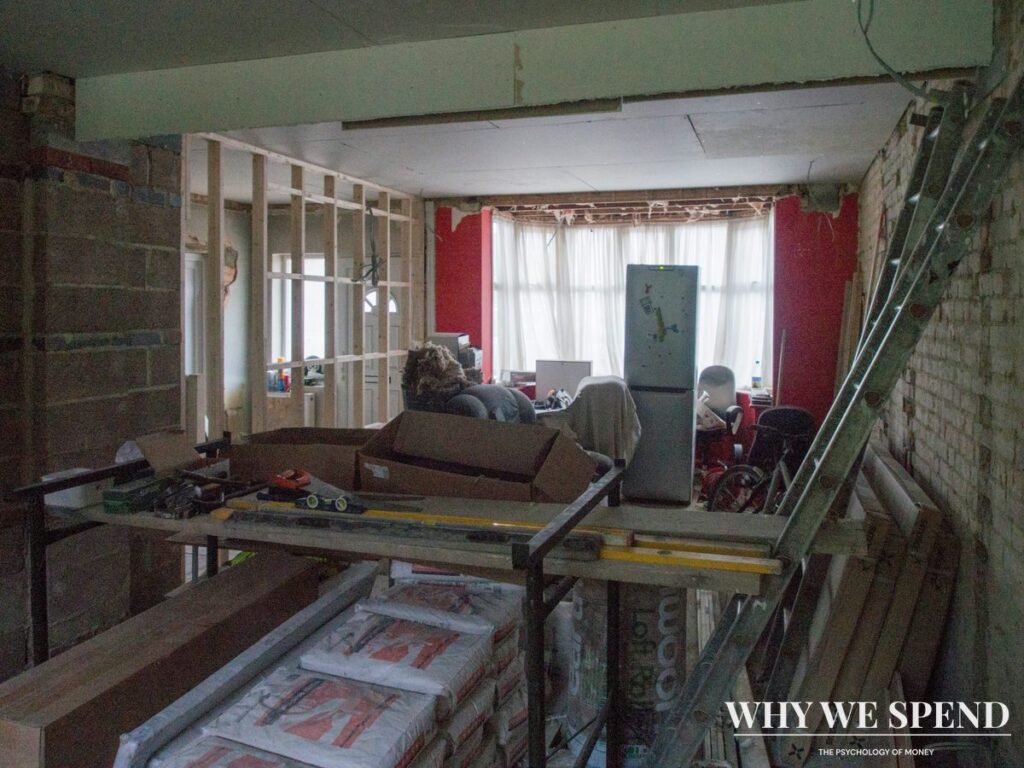
Property represents the largest expense for most people in Singapore and Malaysia, making it fertile ground for the sunk cost fallacy. Renovation budgets that start at $30,000 balloon to $80,000 as homeowners discover “unforeseen issues.” Each problem feels urgent and essential to fix, especially after already spending so much.
Investment properties create similar traps. Landlords continue maintaining problematic units, dealing with difficult tenants, or covering monthly shortfalls because they’ve “invested too much to sell at a loss now”—even when selling and redirecting funds elsewhere would stem ongoing losses.
Vehicle Ownership and Maintenance
Cars depreciate rapidly, but emotional attachment and sunk costs keep owners maintaining vehicles long past economic sense. This particularly affects owners of continental or luxury vehicles, where repair costs can reach eye-watering levels. After spending RM15,000 on repairs over a year, owners convince themselves that surely the problems are now resolved, only to face another RM6,000 bill three months later.
Business Ventures and Side Hustles
Aspiring entrepreneurs often fall into this trap with cafés, retail shops, or online businesses. After investing $100,000 in a business that loses $5,000 monthly, owners continue operating because “closing now means losing everything we’ve put in.” They fail to recognise that stopping losses today prevents losing another $60,000 over the next year.
How to Recognise When You’re Caught in the Sunk Cost Fallacy
Several warning signs indicate when spending has crossed from reasonable problem-solving into the sunk cost fallacy territory.
First, notice the language used when justifying additional spending. Phrases like “we’ve come too far to quit,” “after everything we’ve already spent,” or “just one more payment” typically signal sunk cost thinking rather than forward-looking analysis.
Second, ask whether the decision would be the same if starting fresh today. Would someone buy this problematic car knowing what they know now? Would they start this renovation with the current budget? If the answer is no, continuing likely stems from sunk cost fallacy rather than sound reasoning.
Third, observe emotional rather than financial justifications. When decisions are defended with “I can’t just waste everything” instead of “this investment will generate positive returns going forward,” emotions have overtaken rational analysis.
Practical Lessons: Breaking Free From Problem Projects

Implement the Zero-Based Decision Framework
When facing another payment decision, ignore all previous spending. Ask: “If I were starting fresh today with the current situation, would I choose to spend this money?” This reframes decisions around future value rather than past costs.
For a renovation running $40,000 over budget, the question isn’t “should we waste the $40,000 already spent?” but rather “is spending another $15,000 the best use of that money given our current goals and situation?”
Set Absolute Limits Before Starting
Before beginning any significant project, establish a maximum spend limit—not just a budget, but an absolute ceiling beyond which the project gets abandoned regardless of completion status. Write this down and share it with someone who can hold you accountable.
For renovations, this might mean a hard cap of 150% of the initial budget. For vehicle repairs, perhaps a rule that if annual maintenance exceeds 30% of the car’s current value, it’s time to sell.
Calculate Opportunity Cost
Every ringgit or dollar spent continuing a problem project is money unavailable for better opportunities. A Malaysian spending RM3,000 monthly keeping a failing business alive could instead use that money for debt repayment, building emergency savings, or investing in skills development.
Make this concrete: write down specific alternatives for the money being poured into the problem project. This makes opportunity costs tangible rather than abstract.
Seek External Perspectives
People trapped in sunk cost fallacy often can’t see clearly because they’re too emotionally invested. A trusted friend, family member, or professional advisor not emotionally attached to the situation can provide perspective unclouded by past commitments.
Frame questions specifically: “If you were in my situation with $X already spent, what would you do?” This helps advisors focus on forward-looking analysis rather than validating past decisions.
Reframe “Losses” as Learning Investments
One reason people continue throwing money at problems is refusing to accept that previous spending was wasted. Reframing those expenses as the cost of valuable lessons makes walking away psychologically easier.
The $30,000 lost on a failed renovation isn’t wasted if it teaches better contractor vetting, the importance of contingency budgets, and early warning signs of problem projects. This educational perspective reduces the emotional sting of cutting losses.
Moving Forward: When to Walk Away
Walking away from money already spent never feels good. The sunk cost fallacy persists precisely because acknowledging losses is psychologically painful. However, the alternative—continuing to fund failing projects—typically results in far larger financial damage.
The key is recognising that money already spent is gone regardless of future decisions. The only question that matters is whether continuing to spend serves future financial wellbeing.
Once that question is honestly answered, the path forward usually becomes clear, even if emotionally difficult. Singaporeans and Malaysians who master this mindset save themselves not just thousands in unnecessary expenses, but years of financial stress tied to problem projects that should have been abandoned long ago.