

Financial tools reorganisation has become the modern equivalent of rearranging deck chairs on the Titanic. Many Singaporeans and Malaysians spend hours switching between budgeting apps, colour-coding spreadsheets, and reorganising their banking apps, all whilst their actual savings remain stagnant. This peculiar habit—the constant shuffling of financial tools without meaningful action—reveals a fascinating psychological pattern that keeps people busy without making them wealthier.
The behaviour is remarkably common. Someone downloads a new budgeting app with great enthusiasm, spends an entire evening categorising expenses, then abandons it within a fortnight. A colleague creates an elaborate Excel tracker with pivot tables and conditional formatting, but never updates it past the first month. Another person opens a third bank account “for better organisation” whilst the first two remain chaotically managed.
This isn’t about laziness or lack of financial knowledge. It’s about the psychology of productive procrastination and the comfort of visible activity over uncomfortable action.
The Illusion of Progress Through Financial Tools Reorganisation

The act of reorganising financial tools creates a powerful feeling of accomplishment. When someone spends two hours setting up categories in a new expense tracker or creating a colour-coded budget spreadsheet, the brain releases dopamine—the same neurochemical associated with actual achievement. The problem? The satisfaction comes from the setup, not from the financial progress itself.
This phenomenon is particularly prevalent in Singapore and Malaysia, where kiasu culture intersects with a love for optimisation. There’s a genuine desire to have the “best” system, the most efficient setup, the perfect tool. But this perfectionism becomes its own trap. The pursuit of the ideal financial organisation system replaces the actual work of managing money.
Consider the typical scenario: A young professional discovers that their colleagues use Seedly or other budgeting apps. Feeling left behind, they download the app, spend hours inputting past transactions, and feel tremendously productive. They might even share their beautifully organised budget categories in a Telegram group chat. But two weeks later, they’ve stopped updating it. The tool sits dormant whilst spending habits remain unchanged.
The Setup Feels Like Success
The setup phase of any financial tool feels remarkably productive. It’s concrete, visual, and completable within a single session. Unlike the long-term work of actually reducing expenses or increasing savings—which takes months and involves uncomfortable choices—setting up a new system provides immediate gratification.
Psychologists call this “productive procrastination.” The person isn’t being idle; they’re actively doing something related to their goal. It just happens to be the easiest, most immediately rewarding part whilst avoiding the harder work that actually matters.
Why Reorganisation Feels Safer Than Real Change

Financial tools reorganisation serves as an emotional buffer against the anxiety of confronting one’s actual financial situation. When someone reorganises their apps or creates a new spreadsheet, they’re engaging with their finances in a controlled, comfortable way. They’re the architect, the organiser, the planner. It feels empowering.
Actually implementing a budget? That means saying no to the weekly bubble tea runs, skipping the latest skincare haul, or admitting that eating out five times a week is why the savings account hasn’t grown. That requires behavioural change, which triggers discomfort and resistance.
For many Malaysians earning between RM3,000 to RM6,000 monthly, or Singaporeans making S$3,500 to S$7,000, the issue isn’t a lack of budgeting tools. It’s the emotional difficulty of confronting lifestyle inflation and social spending pressures. It’s easier to reorganise the tracking system than to track actual overspending and do something about it.
The Comfort of Complexity
There’s also a curious inverse relationship between system complexity and actual usage. Some people create financial tools so elaborate—with multiple spreadsheets linked together, complex formulas, and detailed sub-categories—that maintaining them becomes a part-time job. The complexity itself becomes the excuse for abandonment: “It’s too mah fan (troublesome) to update.”
This complexity serves a psychological purpose. If the system is sophisticated enough, failing to use it can be blamed on the system’s demands rather than on personal discipline. The narrative becomes “my system was too complicated” rather than “I didn’t want to face my spending habits.”
The Switching Cycle and Fresh Start Fantasy
The pattern of financial tools reorganisation often follows a predictable cycle. Initial enthusiasm leads to meticulous setup. This is followed by a brief period of actual use—perhaps one to three weeks. Then comes the gradual abandonment as the novelty wears off and the system reveals uncomfortable truths about spending patterns.
Rather than pushing through this discomfort, many people enter the “search phase,” looking for a better tool or method. They convince themselves that the problem wasn’t their behaviour but their choice of app or system. A new tool promises a fresh start, and the cycle begins again.
This fresh start fantasy is particularly seductive. Each new financial tool or reorganisation feels like it could be “the one” that finally transforms financial habits. It’s the monetary equivalent of buying new exercise clothes when the real issue is not going to the gym.
Tool Accumulation Without Implementation
Over time, this leads to an accumulation of abandoned financial tools. Someone might have four different budgeting apps on their phone, three partially completed spreadsheets, two notebooks with hand-written budgets, and a bank account opened specifically for savings that never materialised. Each represents a moment of genuine intention followed by incomplete follow-through.
The accumulation itself becomes overwhelming, which paradoxically triggers another reorganisation phase. “This time, I’ll consolidate everything into one simple system,” the person thinks. But without addressing the underlying behaviour, the new simple system eventually becomes just as abandoned as its predecessors.
What Actually Works: Lessons From Financial Tools Reorganisation
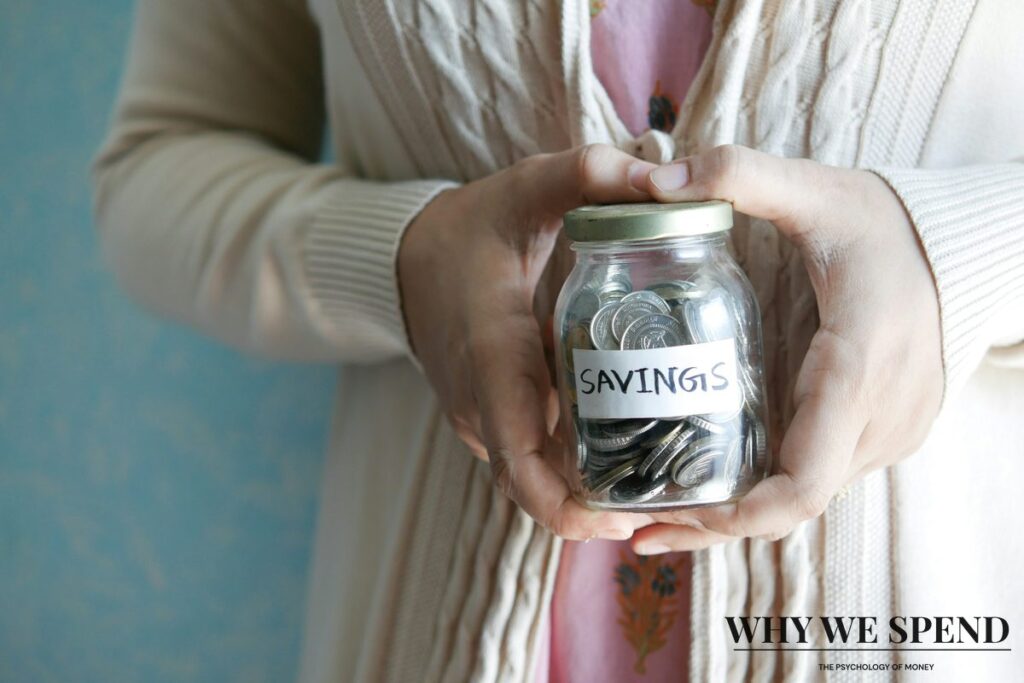
Understanding this psychological pattern is the first step towards breaking it. The following principles help shift from endless reorganisation to actual financial progress.
Principle 1: Choose Adequacy Over Perfection
An adequate system that gets used consistently beats a perfect system that gets abandoned. This might mean using the basic budgeting feature already built into banking apps rather than elaborate third-party tools. It might mean a simple notebook with just three categories: essentials, wants, and savings. The best financial tool is the one that actually gets used for more than a month.
Principle 2: Measure Actions, Not Setups
Financial progress comes from actions taken, not systems created. The relevant question isn’t “How organised is my budgeting system?” but rather “Did I spend within my budget this month?” or “Did my savings increase?” Tracking these outcome metrics—even roughly—provides more value than perfectly categorised expense lists that never inform actual decisions.
Principle 3: Embrace Discomfort as Data
When the urge to reorganise financial tools arises, it’s worth pausing to ask what uncomfortable truth the current system might be revealing. Is it showing excessive spending in a particular category? Is it highlighting that income hasn’t increased despite career progression? Often, the impulse to switch tools appears precisely when the current one is working—meaning it’s showing realities that need addressing, not avoiding.
Principle 4: Commit to Monthly Reviews, Not Daily Perfection
Many people abandon financial tools because they feel they must update them daily or perfectly. A more sustainable approach involves committing to one monthly review session. Spending one hour per month genuinely analysing spending patterns and adjusting behaviour provides more value than daily data entry that becomes a chore. The goal is insight and behaviour change, not perfect record-keeping.
Principle 5: Separate Planning From Action
Set a clear boundary between planning and execution. Allocate a specific, limited time for financial tool setup or reorganisation—perhaps two hours quarterly. Outside this window, the focus shifts entirely to implementation: following the budget, tracking progress, and making spending decisions. This prevents planning from consuming the energy needed for actual behaviour change.
Moving Beyond the Reorganisation Trap
Financial tools reorganisation persists because it satisfies the desire for progress whilst avoiding the discomfort of real change. It’s visible, shareable, and feels productive. But wealth isn’t built through elaborate systems; it’s built through consistent, often mundane actions: spending less than earned, saving regularly, making thoughtful purchasing decisions.
For the Singaporean professional who has downloaded their fifth budgeting app this year, or the Malaysian worker who just created their third “definitive” Excel budget, the path forward isn’t finding the perfect tool. It’s committing to imperfect action with an adequate system. It’s accepting that managing money well feels less exciting than setting up systems to manage it, and doing it anyway.
The next time the urge to reorganise financial tools arises, recognise it for what it often is: sophisticated avoidance dressed up as productivity. Instead of switching apps, try this: use the current tool, however imperfect, for one more month with genuine commitment. Track what actually happened with money, not how prettily it’s organised. That single month of consistent, honest tracking—even if messy—will provide more financial benefit than a year of beautifully designed but unused systems.
After all, the goal isn’t to have the most organised financial life on paper. It’s to actually build the financial security and freedom that all these tools are supposedly designed to create.