
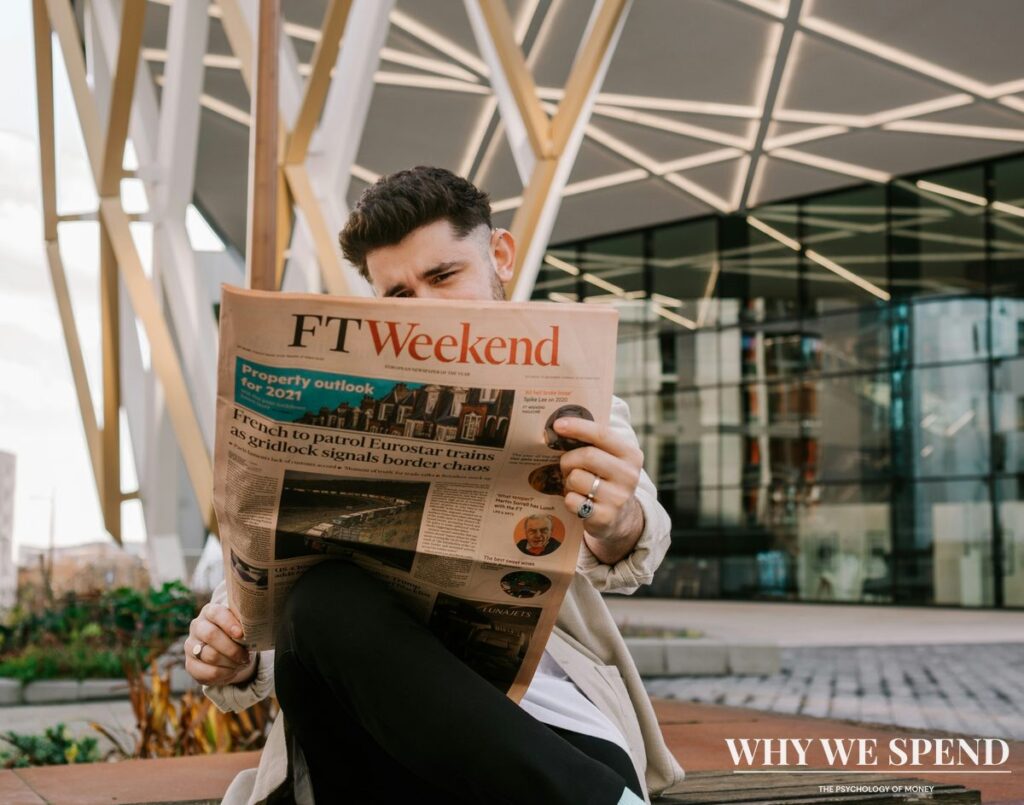
Disaster headlines make us hoard cash in ways that actually undermine our financial security.
Every time a crisis flashes across our screens—whether it’s a pandemic, market crash, or regional economic downturn—many Singaporeans and Malaysians instinctively stuff more money into savings accounts earning 0.5% interest, convinced they’re being prudent. Yet this “emergency-only” money story, where every ringgit and dollar must be preserved for catastrophe, often leaves people financially worse off than those who maintain a more balanced approach to security.
The psychology behind this behaviour runs deep. Growing up in households where older relatives survived economic crises, recessions, and the Asian Financial Crisis of 1997, many in the region inherited a specific narrative: cash is king, and spending is dangerous. When paired with today’s constant stream of alarming financial news, this creates a powerful impulse to accumulate cash reserves far beyond what’s genuinely needed for emergencies.
Why Disaster Headlines Trigger Our Hoarding Response

The human brain isn’t wired for the modern news cycle. When our great-grandparents faced genuine scarcity, they needed to conserve resources. That same survival instinct activates when we scroll through headlines about inflation, job losses, or economic uncertainty. The difference? Today’s threats are often exaggerated, repetitive, or statistically unlikely to affect most people personally—but our brains don’t know that.
Research in behavioural economics shows that people overweight recent negative events when making financial decisions. After reading about retrenchments in the tech sector, a Singaporean working in healthcare might irrationally boost their emergency fund from six months to twelve months, even though their industry faces entirely different conditions. A Malaysian couple might postpone buying a home for years after reading about property market corrections, watching prices rise faster than their savings while they wait for a crash that never materialises.
This phenomenon intensifies in Singapore and Malaysia, where the kiasu mentality—the fear of missing out or losing—combines with genuine memories of economic volatility. When aunties at the kopitiam discuss rising costs or friends share scary articles in WhatsApp groups, the social reinforcement makes the threat feel more immediate and personal than any statistic could convey.
The Media’s Role in Financial Anxiety
Financial media thrives on crisis narratives because fear generates clicks. “Market Stability Continues” doesn’t sell newspapers, but “Brace for Economic Storm” certainly does. Each sensational headline activates stress responses that make rational financial planning nearly impossible. The result? People hold SGD $30,000 or RM 40,000 in basic savings accounts “just in case,” earning returns that don’t even match inflation, whilst simultaneously complaining they can’t afford to invest or pursue financial goals.
How the Emergency-Only Money Story Creates Real Insecurity

Here’s the paradox: hoarding cash in response to disaster headlines actually creates the financial vulnerability people hope to avoid. When someone keeps excessive amounts in low-interest accounts out of fear, they lose purchasing power to inflation every single year. What could buy a month’s worth of groceries today might only cover three weeks’ worth in five years.
More importantly, this behaviour prevents people from building the assets that create genuine financial security. A Singaporean couple who keeps SGD $80,000 in savings “for emergencies” when they only need SGD $30,000 has effectively locked SGD $50,000 away from opportunities that could help them retire comfortably, fund their children’s education, or buy a home. They feel safe, but they’re actually falling behind.
The emergency-only mindset also creates a scarcity mentality that affects daily life. People who view money primarily as a disaster buffer often feel guilty about any spending that isn’t strictly necessary. A RM 200 dinner with friends becomes a source of anxiety. A SGD $1,500 course that could advance one’s career feels irresponsible. Life becomes about avoiding loss rather than creating value, which is exhausting and ultimately self-defeating.
The Opportunity Cost Nobody Calculates
Every ringgit sitting idle is a ringgit not working towards actual security. Over ten years, SGD $20,000 sitting in a savings account at 0.5% interest becomes about SGD $21,000. That same amount in a diversified portfolio with even modest returns could potentially grow to SGD $30,000 or more. The difference—SGD $9,000—represents real security: months of expenses, medical treatment, or education opportunities.
But this isn’t about investment advice. It’s about recognising that the psychology of “keeping everything in cash just in case” actively works against the security it promises.
Breaking Free from Disaster Headlines and Building Real Security
Real financial security doesn’t come from maximum cash hoarding. It comes from having appropriate emergency funds whilst also building assets, skills, and income streams that can weather various scenarios. Someone with three to six months’ expenses saved, a diversified set of assets, and marketable skills is far more secure than someone with eighteen months’ cash and nothing else.
The shift requires recognising that consuming disaster headlines triggers primitive survival responses that may not match actual risk. When a scary financial story appears, the useful question isn’t “Should I save more?” but “Does this actually change my personal financial situation?”
The Mental Accounting Problem
Many people fall into mental accounting traps where they view all money as “emergency money” by default. They’ll sacrifice present quality of life and future opportunities because they can’t mentally separate adequate preparation from excessive fear. A Malaysian earning RM 8,000 monthly with RM 50,000 saved has adequate emergency coverage, yet might still deny themselves a RM 3,000 vacation because “what if something happens?”
This isn’t financial prudence. It’s fear masquerading as responsibility.
Practical Lessons: Moving from Hoarding to Security

The goal isn’t to eliminate emergency savings or ignore genuine risks. It’s to respond proportionally rather than emotionally to financial headlines and fears.
Lesson One: Define “Enough” Before the Next Headline Hits
Calculate an appropriate emergency fund based on personal circumstances, not fear. For most people, three to six months of essential expenses provides adequate buffer. Once that’s established, additional money can serve other security-building purposes without guilt or anxiety. Put this number somewhere visible. When the next crisis headline appears, refer back to it rather than letting emotion dictate financial decisions.
Lesson Two: Recognise the Difference Between News and Personal Risk
A stock market crash makes headlines, but does it actually affect someone who won’t retire for twenty years? Probably not. Retrenchment waves in one industry don’t mean job insecurity in another. Practice asking: “Is this headline describing my situation, or triggering my fears?” The distinction matters enormously.
Lesson Three: Build Security Through Diversification, Not Just Cash
Real security comes from multiple sources: emergency savings, yes, but also skills that increase employability, relationships that provide support, knowledge that creates opportunities, and assets that grow over time. Someone with SGD $30,000 saved and strong professional skills faces far less risk than someone with SGD $60,000 and stagnant career prospects.
Lesson Four: Audit Your Information Diet
If consuming financial news consistently triggers anxiety and cash hoarding rather than informed decisions, that’s a sign to change consumption habits. This doesn’t mean ignorance—it means choosing quality information sources over sensationalist headlines and limiting exposure to fear-driven content in WhatsApp groups and social media.
Lesson Five: Separate Preparation from Paralysis
Appropriate preparation feels calm and intentional. Paralysis feels anxious and never-ending. If financial decisions are primarily driven by “what if” scenarios rather than current reality and reasonable planning, that’s a signal that fear rather than wisdom is in control.
Rewriting Your Money Story
The emergency-only money story served previous generations facing genuine scarcity and instability. But in today’s context, it often creates the very insecurity it aims to prevent. Breaking free doesn’t mean becoming reckless—it means recognising that true financial security requires building assets, opportunities, and capabilities alongside appropriate emergency reserves.
When the next disaster headline appears—and it will—notice the instinct to hoard more cash. Then ask whether that impulse serves genuine security or simply soothes temporary anxiety. The answer makes all the difference between financial paralysis and actual progress. Security isn’t about having the biggest pile of cash. It’s about having enough reserves whilst building a life and financial situation that can adapt to whatever comes. That’s a money story worth living by.