

Buying what parents warned against is one of the most common spending patterns among young adults in Singapore and Malaysia. The cycle is predictable: during childhood, parents issued stern warnings about wasteful purchases, only for their children to grow up and repeat the exact same buying behaviours they were cautioned against. Even more remarkably, these same young adults now find themselves echoing their parents’ wisdom to younger friends or siblings, completing a full generational loop of financial regret and recognition.
This phenomenon reveals fundamental truths about spending psychology that transcend simple irony. When examining why people buy items their parents explicitly warned them about, patterns emerge that explain broader financial decision-making across cultures and income levels.
The Rebellious Purchase: When Warning Labels Become Advertisements
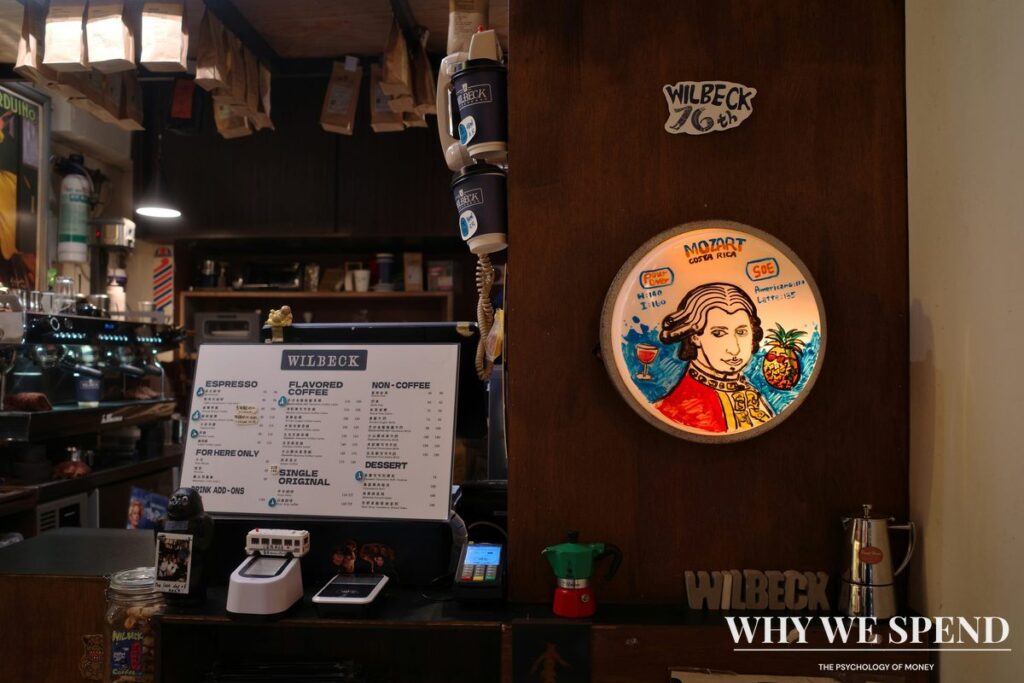
Psychological research shows that forbidden items often become more desirable precisely because they were restricted. This reactance theory explains why many Singaporeans and Malaysians in their late twenties recall their parents warning them about expensive branded items, overpriced coffee, or unnecessary gadgets—and then promptly purchased these exact things once they earned their own income.
A software engineer in KL shared that her mother repeatedly warned against spending money at Starbucks when kopi-O from the kopitiam cost a fraction of the price. Within months of receiving her first salary, she found herself queuing for a Grande Caramel Macchiato, justifying it as a “treat” for working hard. Five years later, she calculated spending over RM8,000 on premium coffee—enough for a decent holiday or emergency fund.
The psychology here isn’t about coffee. It’s about autonomy. After years of following parental guidance, earning one’s own money feels like permission to make independent choices, even when those choices contradict sound financial advice. The purchase becomes symbolic rather than practical, representing freedom rather than addressing an actual need.
The Hidden Cost of Proving Independence
Research from behavioural economists demonstrates that people often make suboptimal financial decisions when trying to establish psychological independence. The act of buying what parents warned against serves as visible proof of self-determination. Unfortunately, this proof comes with a price tag that compounds over time.
Young professionals in Singapore frequently cite similar patterns with designer handbags, premium gym memberships, and the latest smartphone models—all purchases their parents flagged as unnecessary luxuries. The irony intensifies when these same buyers eventually recognise they’re now spending money to maintain expensive items they rarely use, echoing their parents’ original concerns almost word-for-word.
Status Purchases and Social Proof: Why Peer Influence Outweighs Parental Advice

One powerful reason people buy what their parents warned against involves social comparison. Parents typically offer advice based on practical value and long-term financial security. Peers, however, provide real-time social feedback that feels more immediately relevant to young adults navigating workplace culture and social circles.
When colleagues discuss their new Dyson vacuum cleaners or weekend staycations at Marina Bay Sands, the social pressure to participate in similar spending patterns overrides remembered parental cautions. This is particularly pronounced in Singaporean and Malaysian work culture, where maintaining face and avoiding feeling “left out” carries significant psychological weight.
A marketing executive in Singapore recalled her father warning that cars were depreciating assets that would drain her finances. Despite understanding this logically, she purchased a COE vehicle within two years of starting work because most of her colleagues drove and she felt excluded from after-work activities. The monthly instalments, parking fees, petrol, and maintenance now consume nearly 40% of her take-home pay—exactly the financial strain her father predicted.
The Social Cost of Financial Prudence
The tension between financial wisdom and social belonging creates a genuine dilemma. Parents who warned against certain purchases often did so from outside the current social context their children experience. This makes their advice feel outdated or irrelevant, even when the underlying financial principles remain sound.
Malaysian professionals report similar experiences with wedding spending, where parental warnings about expensive ceremonies clash with social expectations. The desire to avoid judgment from extended family and friends often results in couples spending significantly beyond their means, creating debt that shadows the first years of marriage.
The Moment of Recognition: Buying What Parents Warned Against and Understanding Why
The turning point typically arrives several years into these spending patterns, when the accumulated cost becomes impossible to ignore. Bank statements reveal thousands spent on items that brought minimal lasting satisfaction. This moment often triggers the uncomfortable realisation that parental warnings were based on lived experience rather than outdated thinking.
Young parents particularly experience this shift. A father in Johor Bahru described warning his teenage son about buying expensive gaming equipment, using almost identical language his own father used two decades earlier. The recognition was jarring: he’d become the voice of caution he once ignored, having learned through costly experience rather than heeding free advice.
This generational echo reflects a fundamental aspect of spending psychology: experiential learning often overrides observational learning, even when observational learning would be far less expensive. People generally need to feel the financial consequences personally before internalising lessons about money management.
The Cost of Learning Through Experience
Financial educators estimate that learning money lessons through personal mistakes costs individuals between 20-40% more than if they’d followed sound advice from the start. For someone earning RM4,000 monthly, this could represent RM50,000-100,000 in unnecessary spending over a decade—money that could have built substantial savings or investment portfolios.
The pattern of buying what parents warned against isn’t simply about individual purchases. It represents a systematic delay in developing financial maturity, during which wealth-building opportunities are missed while income is redirected toward items that provide temporary satisfaction rather than lasting value.
Breaking the Cycle: Applying Lessons Without Repeating Mistakes

Understanding why people buy what their parents warned against offers practical pathways for breaking this expensive cycle. The key isn’t simply following parental advice blindly, but recognising the psychological needs driving these purchases and finding cost-effective alternatives.
The 30-Day Rule for Warned Purchases
When considering purchases that parents explicitly cautioned against, implementing a mandatory 30-day waiting period allows the emotional urgency to subside. This cooling-off period helps distinguish between genuine needs and symbolic acts of independence. Many Singaporeans and Malaysians who’ve adopted this rule report that 60-70% of intended purchases lose their appeal within this timeframe.
Calculating the True Cost of Autonomy
Before making purchases to prove financial independence, calculating the total cost including opportunity cost provides clarity. That RM15 daily premium coffee represents RM5,475 annually—or RM54,750 over ten years without accounting for investment returns. Viewing the full picture often reveals whether the autonomy statement is worth its actual price.
Finding Less Expensive Ways to Signal Independence
The psychological need for autonomy is legitimate and shouldn’t be dismissed. However, buying what parents warned against isn’t the only way to establish independence. Setting and achieving savings goals, making informed financial choices, or even discussing money decisions as equals with parents can provide the same psychological satisfaction without the financial regret.
The Educational Principles: What This Pattern Teaches About Money Psychology
The cycle of buying what parents warned against illuminates several key principles about spending behaviour that apply regardless of specific cultural context.
First, emotional needs drive spending more powerfully than logical analysis. The desire for autonomy, social belonging, and status recognition consistently override financial common sense, even when people intellectually recognise they’re making suboptimal choices.
Second, warnings without context rarely change behaviour. Parents who simply forbid purchases without explaining the underlying financial principles or acknowledging social pressures create reactance rather than understanding. Effective financial guidance requires empathy for current social contexts while maintaining clear-eyed assessment of long-term costs.
Third, the cost of experiential learning compounds over time. Every year spent learning financial lessons through personal mistakes rather than observational learning represents both direct costs and opportunity costs. Starting financial maturity even five years earlier can mean hundreds of thousands in additional wealth over a lifetime.
Fourth, recognising patterns in one’s own behaviour creates opportunities for change. The moment someone catches themselves sounding like their parents isn’t a sign of becoming old or boring—it’s evidence of hard-won wisdom. Using that recognition to adjust current spending and guide others more effectively can transform an expensive lesson into valuable knowledge.
Moving Forward With Wisdom and Compassion
The pattern of buying what parents warned against represents more than individual financial mistakes. It reveals the complex interplay between psychological needs, social pressures, and money decisions that everyone faces regardless of age or income level. Understanding this pattern doesn’t require rejecting all parental wisdom or following it blindly. Instead, it requires honest assessment of why certain purchases feel necessary and whether they serve genuine needs or temporary emotional wants.
For those currently in the cycle, recognising the pattern offers a chance to change course before costs accumulate further. For parents, understanding why their warnings go unheeded can inform more effective approaches to financial guidance. And for everyone, this common experience demonstrates that financial maturity isn’t about never making mistakes—it’s about recognising patterns, learning from experience, and making increasingly informed choices over time.
The wisdom parents tried to share was usually correct. The tragedy is how expensive it becomes to learn this through personal experience rather than trusted advice. But perhaps that’s the final lesson: share your own experiences openly, acknowledge the social and emotional pressures that drive spending, and recognise that the next generation will likely need to touch the hot stove themselves before truly understanding the warning.