

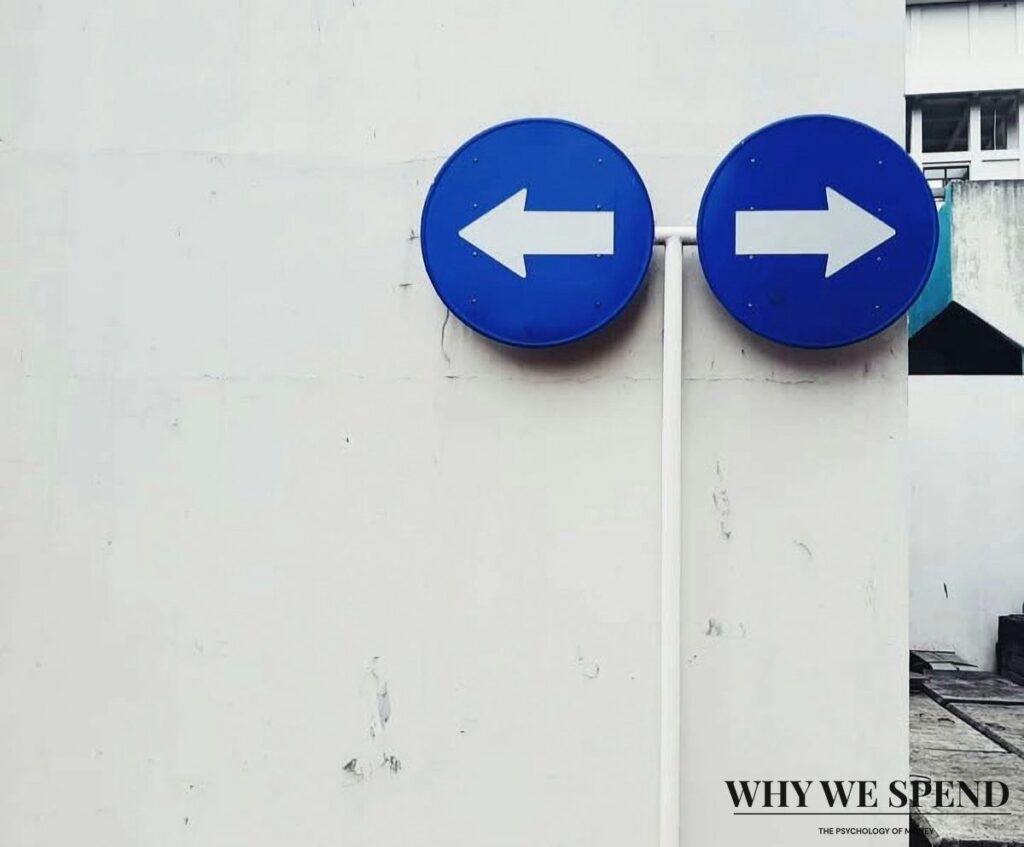
Delaying big purchases whilst waiting for interest rates to drop, property prices to correct, or the economy to stabilise has become a national pastime for many Singaporeans and Malaysians. The logic seems sound: why commit to a major financial decision when conditions might improve next quarter? Yet this waiting game often stretches from months into years, with the perfect moment perpetually just around the corner.
This phenomenon—watching colleagues buy homes, upgrade cars, or invest in businesses whilst one remains frozen in analysis mode—reveals a fascinating aspect of money psychology. The issue isn’t about being prudent or conducting proper research. It’s about getting trapped in what behavioural economists call “decision paralysis,” supercharged by endless economic news cycles and conflicting expert opinions.
The Psychology Behind Delaying Big Purchases
The human brain treats significant financial commitments as potential threats. When someone considers spending S$500,000 on a flat or RM80,000 on a car, the amygdala—the brain’s fear centre—activates similarly to how it would respond to physical danger. This response made sense for our ancestors avoiding actual predators, but proves less useful when evaluating whether Bank Negara’s next OPR decision justifies postponing a house purchase another six months.
This neurological reality combines poorly with modern information overload. Fifty years ago, someone might consult a banker, chat with neighbours, and make a decision. Today, contradictory headlines flood social media daily: “Property Bubble About to Burst!” versus “Last Chance Before Prices Surge!” versus “Analysts Predict Sideways Market Until 2026!”
The result? Analysis paralysis on steroids. Each new data point—whether it’s the Federal Reserve’s latest statement, Singapore’s GDP growth figures, or a PropertyGuru report—provides fresh justification to delay just a bit longer.
The Opportunity Cost Nobody Calculates
Whilst waiting for perfect conditions, real costs accumulate invisibly. Consider someone in Petaling Jaya who delayed buying a RM600,000 property in 2020, waiting for prices to drop. Three years later, rental payments totalling RM90,000 are gone forever, the property now costs RM680,000, and interest rates have actually increased. The “prudent” delay cost approximately RM170,000 in real terms.
Similarly, a Singaporean couple postponing their wedding whilst waiting for “better economic times” might spend three additional years in separate rentals, paying perhaps S$36,000 more in combined housing costs than if they’d married and shared a flat immediately.
Why Economic Conditions Are Never Actually Perfect
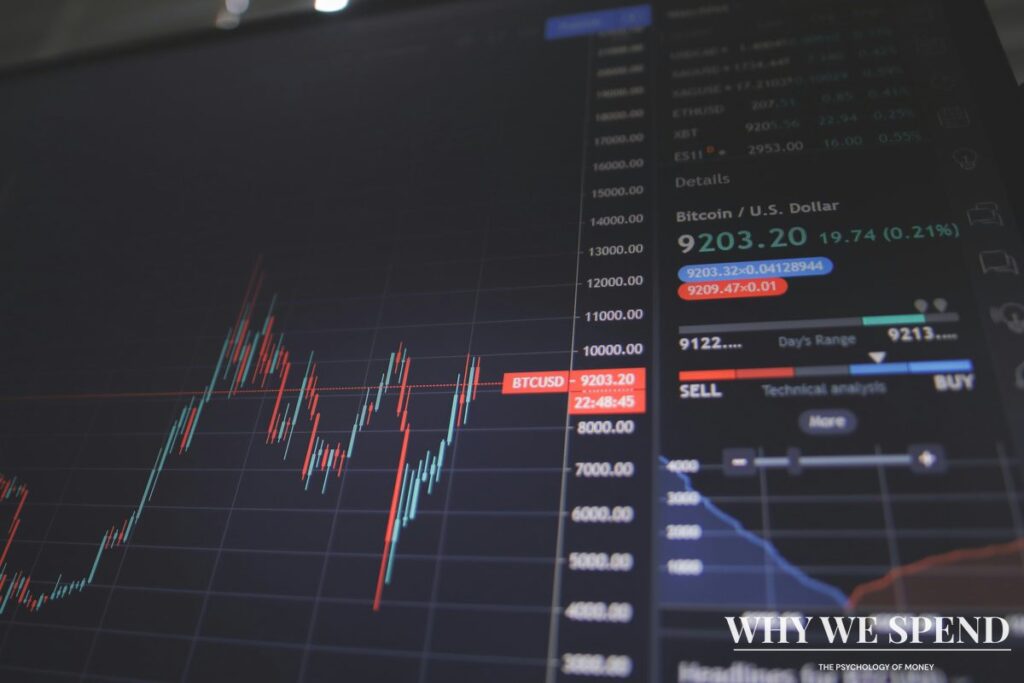
Here’s an uncomfortable truth: economic conditions are simultaneously always terrible and always acceptable, depending on which metrics one chooses to emphasise. In any given month, some indicators trend positively whilst others decline. Interest rates might be favourable but property prices high. Or prices might be reasonable but lending criteria tightened. Or both might align nicely but inflation is surging.
Financial markets and economic conditions operate in cycles, not destinations. There’s no moment when economists collectively declare: “Right, everything’s perfectly aligned now. Everyone can proceed with major purchases!” Those waiting for such a signal will wait indefinitely.
This becomes especially problematic in Singapore and Malaysia, where property ownership ties deeply to cultural expectations and social milestones. The pressure to time the market perfectly transforms what should be a lifestyle decision into an investment thesis, adding layers of anxiety to an already stressful process.
The Relativity Trap
Another psychological factor: humans judge value relatively, not absolutely. A property that seems expensive today will still seem expensive after a 10% price drop, because the reference point simply adjusts. What felt like “waiting for reasonable prices” becomes “waiting for even better prices,” perpetually shifting the goalposts.
This explains why some people who waited through 2019 for better conditions, then through 2020’s pandemic uncertainty, then through 2021’s “post-pandemic adjustment,” then through 2022’s inflation fears, are still waiting in 2024. The target keeps moving.
When Delaying Big Purchases Actually Makes Sense
To be clear, not all delays stem from psychological paralysis. Genuine reasons to postpone major purchases include:
Insufficient emergency funds. Taking on a RM500,000 mortgage whilst having only RM5,000 in savings constitutes genuine financial risk, regardless of interest rates.
Unstable employment. Someone awaiting confirmation of a job offer or navigating retrenchment exercises should indeed pause major commitments.
Lack of research. Spending two months understanding condominium management fees, property taxes, and maintenance costs demonstrates due diligence, not paralysis.
The distinction lies in the timeline and criteria. Researching for eight weeks with clear decision criteria differs fundamentally from waiting indefinitely for “conditions to improve” without defining what “improved” actually means.
Breaking Free From Delaying Big Purchases
Escaping this loop requires shifting from prediction to preparation. Instead of attempting to forecast whether Bank Negara will cut rates in Q3 or whether Singapore property prices will correct 15%, focus on personal readiness and acceptable parameters.
The Decision Framework
Establish clear, personal criteria divorced from macroeconomic predictions. For a property purchase, this might include: “Can afford repayments even if interest rates increase 2%,” or “Have maintained 12 months’ expenses in emergency fund,” or “Property price is below 4x annual household income.”
Once personal criteria are met, execute the decision regardless of whether economic commentators sound optimistic or pessimistic that particular month. The purchase might not represent the absolute lowest price or perfect interest rate in hindsight, but it reflects responsible decision-making based on personal circumstances.
This approach proves particularly liberating for those trapped in multi-year delays. Someone who bought a Singaporean HDB flat in 2021 at “high prices” still gained three years of building equity and housing stability, versus someone still renting in 2024 whilst waiting for the “right” moment.
Lessons: Making Major Purchases Despite Economic Uncertainty
First, define “good enough” instead of “perfect.” Establish personal financial thresholds that, once met, trigger action regardless of external economic noise. This might mean: downpayment saved, debt-to-income ratio comfortable, emergency fund adequate.
Second, calculate opportunity costs explicitly. What does waiting another year actually cost in rental payments, foregone use, or life milestones delayed? Often these tangible costs exceed the theoretical savings from timing the market perfectly.
Third, recognise that economic conditions exist in cycles, not endpoints. There’s no permanent “good” time coming that’s obviously superior to all others. Reasonable conditions occur regularly; perfect conditions never arrive.
Fourth, separate investment decisions from lifestyle decisions. A primary residence, reliable vehicle, or wedding serves life purposes beyond financial returns. Treating these purely as economic investments adds unnecessary psychological burden.
Finally, set decision deadlines. “I’ll research property options for three months, then choose the best available option within my budget” proves more productive than “I’ll wait until the market improves,” which lacks any concrete endpoint.
The goal isn’t to make impulsive financial decisions or ignore economic realities. Rather, it’s to recognise when prudent caution has morphed into paralysis, and when waiting for perfect conditions has become an excuse to avoid the discomfort of commitment. Sometimes the best economic condition is simply being personally ready and moving forward with eyes wide open, accepting that no decision comes with perfect foresight or guaranteed outcomes. That acceptance itself breaks the paralysis loop that keeps so many stuck in perpetual waiting mode.