
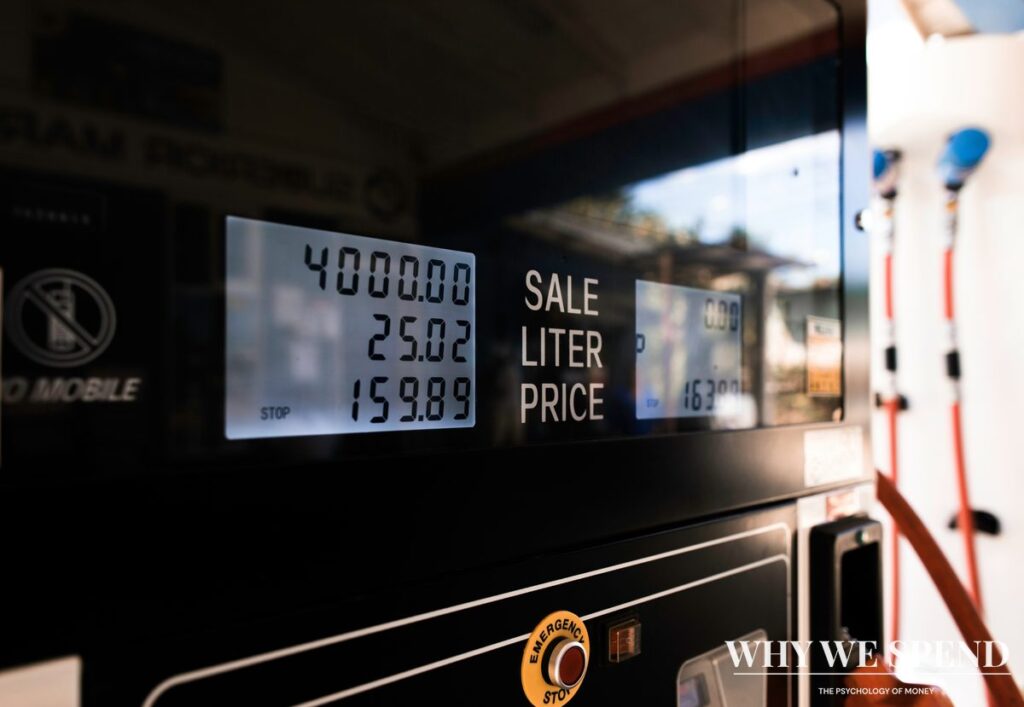
Lifestyle inflation after pandemic has hit households across Singapore and Malaysia with surprising force. During the early 2020s, many people enjoyed artificially low costs for fuel, transport, and everyday goods. Petrol prices dropped dramatically, delivery fees seemed reasonable, and staying home meant fewer expenses. For many, this created a dangerous illusion: that these low prices represented a new normal rather than a temporary anomaly.
Fast forward to today, and the reality check has arrived. Petrol prices have soared past pre-pandemic levels, electricity tariffs have increased, and the cost of groceries continues to climb. Yet spending habits formed during those cheaper times remain stubbornly in place. The result? A growing number of Singaporeans and Malaysians finding themselves unable to afford basic necessities despite earning the same income.
The Psychology Behind Assuming Good Times Last Forever
Human brains are wired to assume current conditions will continue indefinitely. Behavioural economists call this “recency bias” – the tendency to believe recent experiences will predict the future. When someone fills up their Proton or Toyota for RM80 instead of RM120, month after month, the mind starts treating that lower price as permanent.
This psychological trap becomes even more powerful when combined with what feels like “found money.” During the pandemic, many workers saved on commuting costs, mamak sessions, and weekend trips to Johor Bahru or Batam. Rather than banking these savings, households redirected them elsewhere – upgrading to premium streaming services, ordering GrabFood more frequently, or finally buying that gaming console.
The critical mistake was treating temporary savings as permanent income increases. A Malaysian earning RM6,000 monthly might have saved RM500 on petrol and entertainment during lockdowns. Psychologically, this felt like earning RM6,500. When prices normalised, the spending patterns established at the higher level remained, but the actual income hadn’t changed.
How Lifestyle Inflation After Pandemic Sneaks In
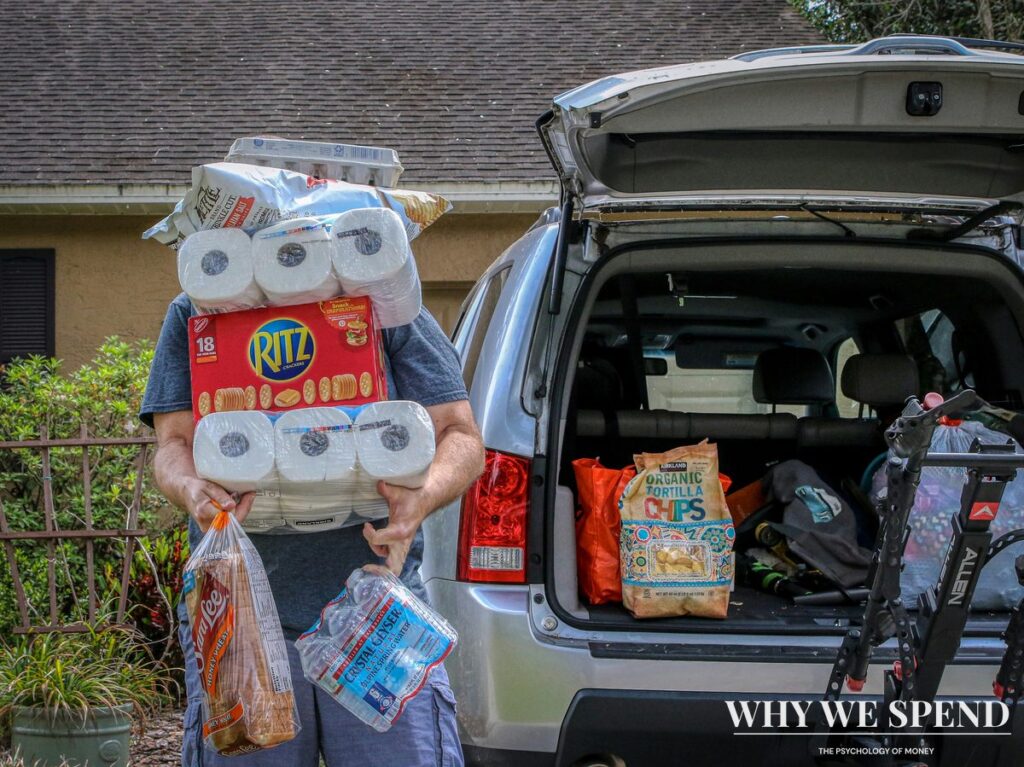
The creep happens gradually, making it nearly invisible until the financial pressure becomes unbearable. A Singaporean household might have started with occasional Foodpanda orders during circuit breaker, justified as safer than dining out. Once restrictions lifted, the convenience habit remained, but now they were also resuming restaurant meals.
Transportation costs illustrate this particularly well. During work-from-home periods, a car owner in Petaling Jaya might have filled up once monthly. At RM2.05 per litre, that RM80 tank felt manageable. Today, with daily commutes resumed and petrol at RM2.80 or higher, that same tank costs RM110 – and they need to fill up weekly, not monthly. The monthly petrol bill jumped from RM80 to RM440, yet the budget hadn’t adjusted.
Meanwhile, the Grab rides that replaced occasional drives, the subscription boxes that arrived monthly, and the upgraded mobile plan for better home internet all remained active. Each individual expense seems small, but collectively they represent a fundamental mismatch between income and outgoings.
The Subscription Trap
Streaming platforms, meal kit deliveries, cloud storage, fitness apps, gaming memberships – the pandemic era saw an explosion of subscriptions. At RM10 or RM15 each, they seemed negligible. But five subscriptions at RM12 each means RM60 monthly, RM720 annually. Add internet upgrades, phone plan increases, and suddenly RM200 monthly disappears into recurring charges that barely register consciously.
The psychological trick here is that subscriptions don’t feel like spending. There’s no moment of handing over cash or consciously deciding to purchase. The money simply evaporates from the account, creating what researchers call “payment decoupling” – separation between the pleasure of consumption and the pain of payment.
When Reality Hits: Scrambling for Basics
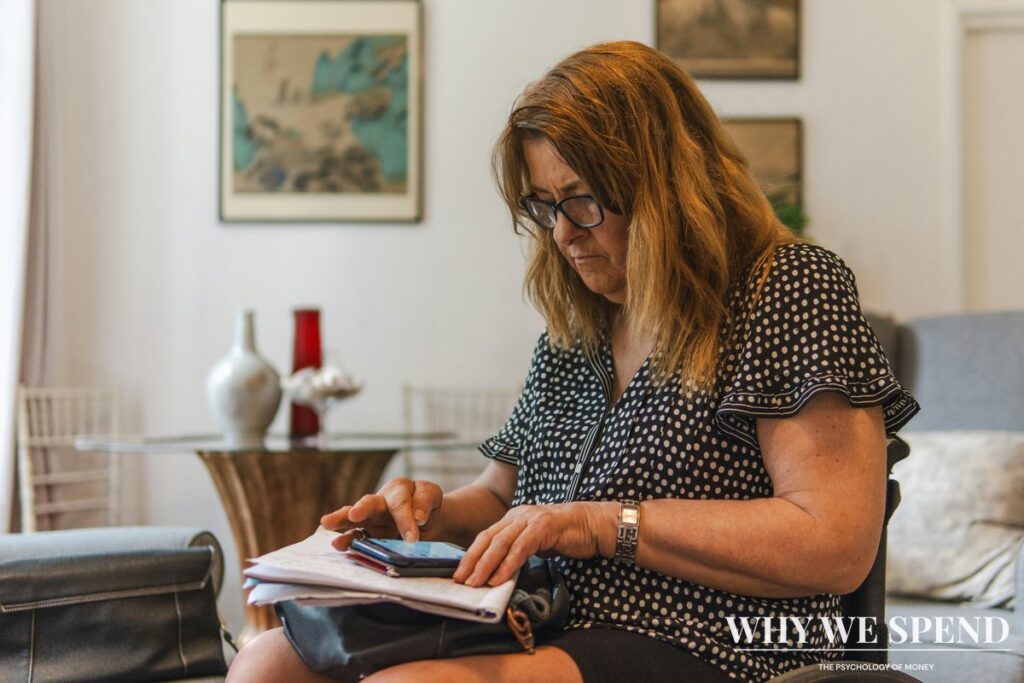
The wake-up call arrives differently for everyone. For some, it’s the shocking realisation that groceries at NTUC or Aeon now cost 30% more than two years ago. For others, it’s the petrol pump stopping at RM150 when RM100 used to fill the tank. The utilities bill, once RM200, now regularly hits RM350.
This is when households discover they’ve been running a deficit without realising it. Credit card balances that were previously cleared monthly start carrying forward. Emergency funds get tapped for regular expenses. Some resort to asking family for loans or drawing down savings meant for other goals.
The emotional impact can be severe. There’s shame in admitting financial difficulty when income hasn’t dropped – how can someone be struggling when they’re earning the same salary? Anxiety builds as the gap between income and essential expenses narrows. Some experience genuine fear about how to cover next month’s costs.
The False Economy of Cheap Times
Looking back, the low-cost pandemic period created a false economy. Governments subsidised fuel, landlords reduced rent, and competition drove delivery fees down. None of these conditions were sustainable, yet human psychology treated them as the new baseline rather than temporary relief.
This mirrors what happens after any windfall or cost reduction. Tax rebates, bonuses, or promotional pricing all create temporary improved circumstances. The trap is spending as if the improvement is permanent, then finding oneself worse off than before when normal conditions return.
Breaking the Cycle: Practical Psychology Lessons
Understanding why this happens is the first step. The second is implementing behavioural safeguards to prevent future episodes of lifestyle inflation after pandemic conditions or any other temporary financial relief.
Treat Windfalls as Temporary
When costs decrease or income temporarily increases, consciously label it as temporary. That RM500 saved on petrol during lockdown? It was never “extra money to spend” – it was a temporary reduction in expenses that would return. The mental framing matters enormously. Save windfalls or use them for one-off expenses, never for recurring commitments.
Build in Buffer Pricing
Rather than budgeting based on current prices, add 20-30% buffer for essentials like fuel, groceries, and utilities. If petrol is RM2.80 today, budget as if it’s RM3.30. This creates a safety margin and prevents the shock when prices inevitably rise. If prices don’t increase, the difference becomes automatic savings.
Audit Subscriptions Quarterly
Set a calendar reminder every three months to review all recurring charges. For each subscription, ask: “Would I sign up for this today at this price?” If the answer is no, cancel it. The Netflix subscription from lockdown times might no longer justify its cost if you’re watching twice monthly instead of daily.
Separate Needs from Habits
Many expenses that feel essential are actually just well-established habits. Daily kopi from the cafe, weekly Shopee deliveries, premium car wash services – these aren’t needs, they’re patterns formed when money felt more abundant. Identify which expenses are true necessities versus conveniences that became routine
The Path Forward: Recalibrating Expectations
Recovery from lifestyle inflation requires both practical adjustments and psychological shifts. The practical side means cutting expenses, often painfully. Switching from premium petrol to regular, cooking instead of ordering in, cancelling subscriptions, and finding cheaper alternatives for routine purchases.
The psychological work is harder but more important. It means accepting that the cheap pandemic period was an anomaly, not a trend. It requires releasing the lifestyle expectations built during that time and recalibrating to current economic reality. This isn’t failure – it’s adaptation.
For those currently struggling, remember that adjusting spending isn’t about deprivation but about alignment. When expenses exceed income, stress is inevitable. When spending matches reality, even if that means a more modest lifestyle, stability returns. The goal isn’t to punish oneself for past decisions but to create sustainable patterns moving forward.
The broader lesson extends beyond pandemic-era spending. Economic conditions constantly fluctuate. Petrol prices, inflation rates, employment markets, and living costs all cycle through peaks and troughs. The key to financial resilience isn’t predicting these changes but building habits that can withstand them. That means always maintaining some gap between income and expenses, treating cost reductions as saving opportunities rather than spending permissions, and regularly questioning whether current spending patterns still serve current circumstances. The alternative is an endless cycle of scrambling to afford basics every time external conditions shift – a stressful, unsustainable way to live.