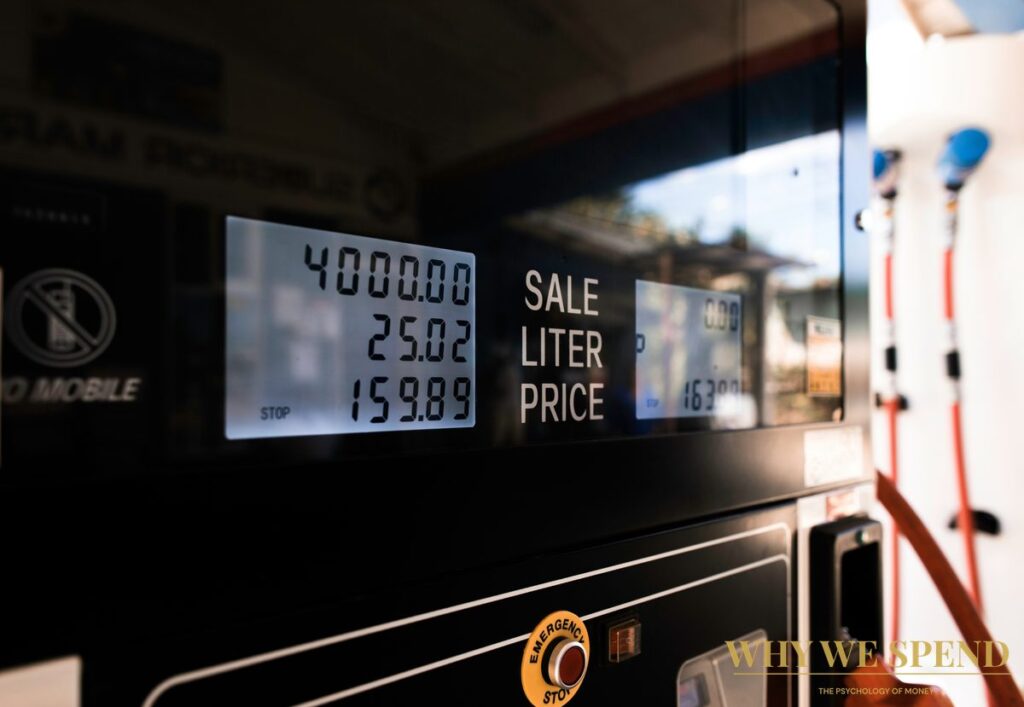
Spending like supply lines will never break is a curious modern contradiction. People refresh petrol price apps multiple times daily, panic when RON95 hits RM2.50, and share WhatsApp forwards about cooking oil shortages—yet still order Grab deliveries three times a week and browse Shopee at midnight. This disconnect between anxiety about economic instability and actual spending behaviour reveals something fascinating about how humans process financial threats.
The pattern is especially visible amongst Singaporeans and Malaysians who lived through COVID-19 lockdowns. Everyone remembers the empty supermarket shelves and the scramble for essentials. The collective trauma is real. Yet within months of restrictions lifting, spending habits returned to pre-pandemic levels—or exceeded them. Understanding why this happens can help anyone make more intentional financial choices, regardless of what the economy does next.
The Psychology Behind Spending Like Supply Lines Will Never Break
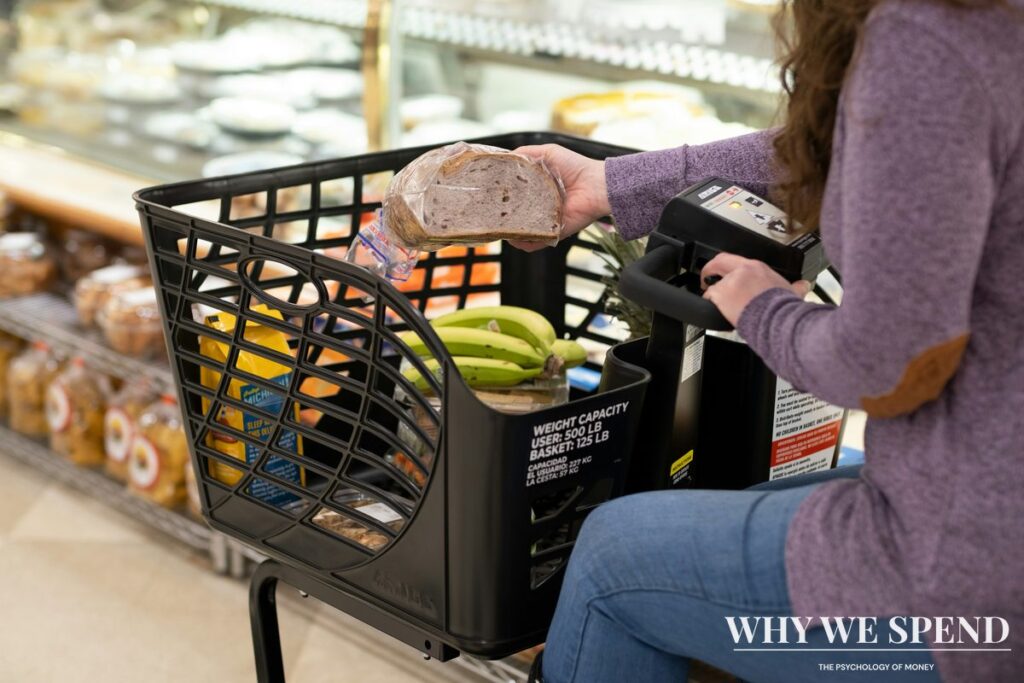
Human brains are notoriously poor at connecting abstract future threats to concrete present-day actions. When oil prices jump, the pain is immediate and visible—every petrol station displays the numbers in massive fonts. But the broader implications of supply chain vulnerability feel distant, even hypothetical.
This cognitive gap creates what behavioural economists call “temporal discounting.” The pleasure of clicking “Place Order” on a food delivery app happens now. The potential future scenario where imported ingredients cost double or supply chains collapse happens… sometime later. Maybe. Possibly. The brain heavily discounts that future pain in favour of present gratification.
Additionally, humans are social creatures who take behavioural cues from their environment. When friends post their cafe brunches on Instagram, when colleagues discuss their latest Taobao hauls, when family members plan overseas holidays—the social proof suggests everything is fine. If everyone else is spending like supply lines will never break, it creates a normalcy bias that’s difficult to resist.
The Panic-Spend Cycle
There’s an ironic twist here. Some people respond to economic anxiety by spending more, not less. The logic goes: “If things are getting expensive, better buy now before prices increase further.” This thinking drove the great toilet paper panic-buying of 2020, but it operates on smaller scales daily.
When petrol prices spike, some Malaysians immediately fill their tanks completely—even if they’re only half-empty—fearing further increases. When news reports hint at global wheat shortages, suddenly everyone’s baking sourdough and stockpiling flour. The anxiety about scarcity triggers purchasing, creating the very shortage feared.
Why Warning Signs Get Ignored Despite the Anxiety
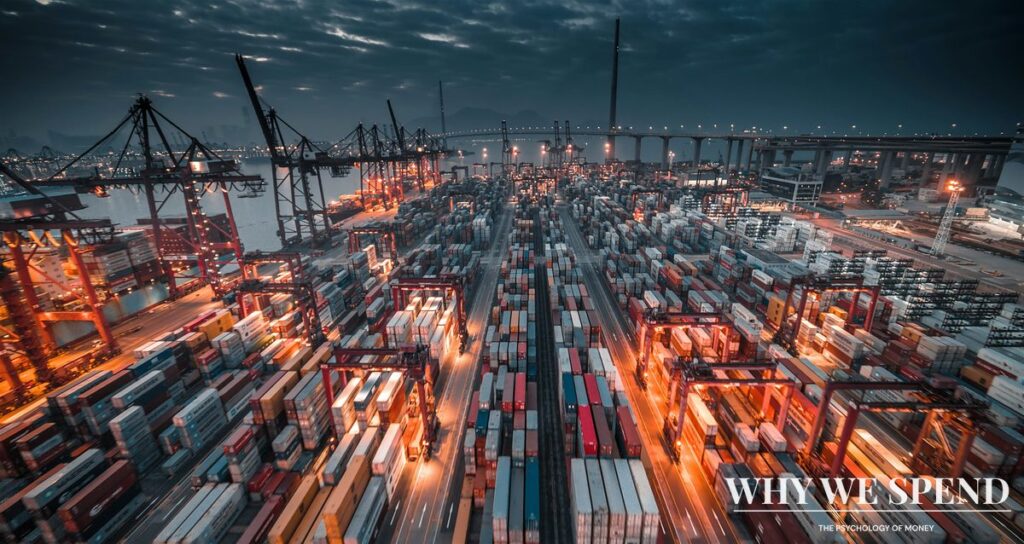
The contradiction isn’t about ignorance. Most people know intellectually that global supply chains face genuine pressures. Climate change affects agriculture. Geopolitical tensions disrupt trade. Fuel costs impact everything from food to furniture. Yet this knowledge doesn’t translate into changed behaviour.
Part of this stems from what psychologists call “optimism bias”—the tendency to believe negative events are more likely to happen to others than to oneself. Singaporeans and Malaysians might think: “Yes, global supply chains are fragile, but we’re strategic trading hubs. We’ll be fine. Our government will sort it out.”
There’s also exhaustion. After years of pandemic stress, economic uncertainty, and inflation news, many people experience what could be termed “crisis fatigue.” The constant state of alert becomes unsustainable. Eventually, the brain protects itself by tuning out warning signals and returning to comfortable patterns—including spending habits.
The Role of Lifestyle Inflation
For many millennials and Gen Z workers in Southeast Asia, the past decade brought significant income increases. What started as occasional treats became standard expectations. Bubble tea isn’t a luxury; it’s a Tuesday. Food delivery isn’t splurging; it’s convenience. International holidays aren’t aspirational; they’re annual necessities.
This lifestyle inflation creates a ratchet effect. Once spending habits escalate, they rarely descend without significant external pressure. Even when intellectually aware that supply chain disruptions could affect everything, the emotional attachment to current lifestyle standards overrides logical planning.
How Economic Anxiety Actually Affects Spending Like Supply Lines Will Never Break
Research on consumer behaviour during uncertain times reveals contradictory patterns. Some people genuinely do tighten their belts—cooking at home more, delaying purchases, building emergency funds. But surprisingly, many others maintain or increase discretionary spending despite expressed economic worries.
This happens through several mechanisms. First, there’s compartmentalisation: people might cut back on visible expenses (like premium petrol) whilst maintaining invisible ones (subscription services they’ve forgotten about). They feel virtuous about the former whilst barely noticing the latter.
Second, there’s what marketers call “emotional spending.” When anxious about global instability, small purchases provide psychological comfort. That new skincare product, that food delivery meal, that online clothing order—each serves as a tiny mood boost against the backdrop of economic dread. The spending becomes a coping mechanism for the very anxiety it potentially worsens.
The Nevermind Lah Factor in Local Spending
There’s a distinctly Singaporean-Malaysian element to this behaviour. The cultural tendency toward “never mind lah” thinking—a sort of pragmatic fatalism—shapes financial decisions. If global economic forces are beyond individual control anyway, why not enjoy life now? Might as well makan that bak kut teh, book that Genting trip, grab that sale item.
This isn’t necessarily irresponsible. It reflects a cultural value system that prioritises present relationships and experiences. But it can create vulnerability when combined with genuine supply chain risks and economic instability.
Lessons for Making Better Financial Decisions
Understanding the psychology behind spending like supply lines will never break offers practical pathways to better choices:
Build Awareness Without Paralysis
The goal isn’t to become doomsday preppers or stop all discretionary spending. Rather, it’s developing what psychologists call “situational awareness”—acknowledging genuine economic signals without either ignoring them or obsessing over them.
Practical application: Track spending for three months without judgement. Simply observe patterns. Do petrol price spikes actually change behaviour, or just create anxiety? Where does money actually go versus where it feels like it goes?
Create “Scenario Budgets”
Instead of one rigid budget, consider three scenarios: best case (current conditions continue), likely case (moderate price increases and supply chain hiccups), and worst case (significant disruptions). What spending could adjust in each scenario without major life disruption?
This mental exercise reduces panic whilst increasing preparedness. When changes do occur, there’s already a framework for response rather than reactive scrambling.
Distinguish Between Spending and Stockpiling
Building reasonable household reserves of genuinely essential items isn’t the same as panic-buying or continuing discretionary spending as if nothing’s changed. A household that maintains a two-week supply of rice, cooking oil, and basic goods isn’t being paranoid—they’re being sensible.
But “stocking up” on non-essentials during sales, or maintaining high discretionary spending whilst worrying about economic stability, represents the contradiction worth addressing.
Question Social Proof
Just because everyone else is spending like supply lines will never break doesn’t mean it’s wise. The same social media that shows everyone’s restaurant meals and shopping hauls doesn’t show their credit card statements or financial stress.
Practical step: Identify one person in your social circle who seems to have sound financial habits. Not the richest person or the most frugal, but someone who appears calm and intentional about money. Observe their patterns. They might provide alternative social proof.
Moving Forward With Financial Awareness
The tension between economic anxiety and continued spending isn’t necessarily hypocritical—it’s human. Brains evolved to handle immediate threats (the rustle in the bushes) not abstract systemic risks (global supply chain vulnerability). Recognising this limitation is the first step toward compensating for it.
The question isn’t whether supply lines will break. Some will, some won’t, and the exact timing and impact remain uncertain. The more useful question is: regardless of what happens externally, what spending patterns create internal financial resilience and peace of mind?
For most people, this means finding a middle path between panic-driven scarcity thinking and wilful ignorance of genuine risks. It means acknowledging that global economic systems face real pressures whilst also recognising that individual financial behaviour remains within personal control. And it means building spending habits that make sense whether supply lines hold firm or face disruption—because that kind of flexibility proves valuable regardless of what headlines say tomorrow.
The goal isn’t perfect prediction of economic futures. It’s developing spending patterns aligned with actual values and risks, rather than the peculiar mix of anxiety and denial that characterises so much modern consumer behaviour. That shift alone can transform financial outcomes, whatever the global economy does next.