
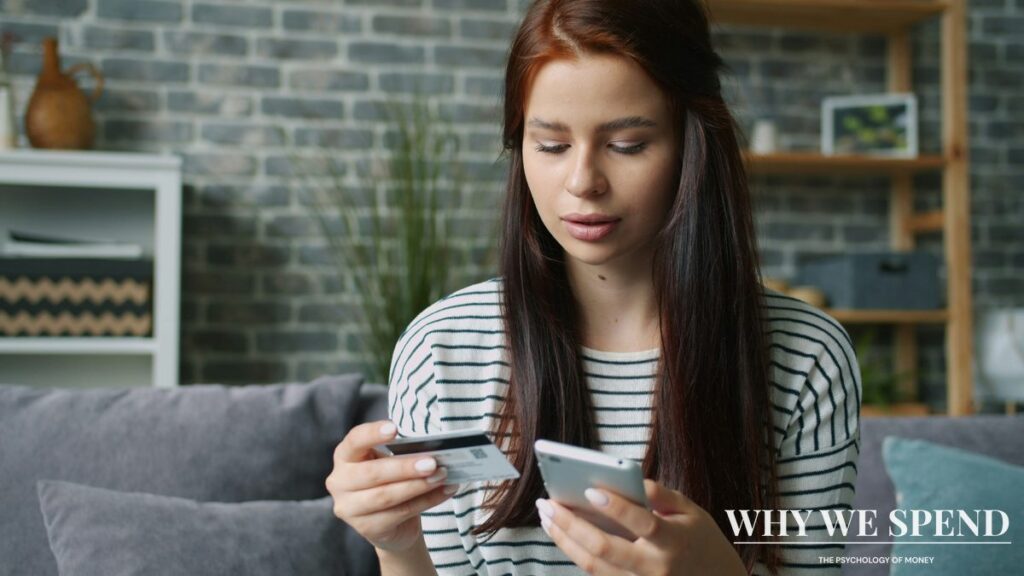
Stress shopping isn’t just about treating oneself after a difficult day. When life feels chaotic—whether from job uncertainty, relationship troubles, or even disturbing news headlines—many people develop an almost reflexive urge to purchase things. This phenomenon reveals a fascinating quirk of human psychology: when the world feels unpredictable and threatening, the simple act of buying something offers an immediate, tangible sense of control that our brains desperately crave.
For Singaporeans and Malaysians navigating economic uncertainty, pandemic aftershocks, and the constant pressure of rising costs, understanding this spending pattern matters more than ever. That RM300 skincare haul or $500 gadget purchase after a stressful week might feel justified, but it’s often the brain’s attempt to restore equilibrium rather than a genuine need.
The Psychology Behind Stress Shopping
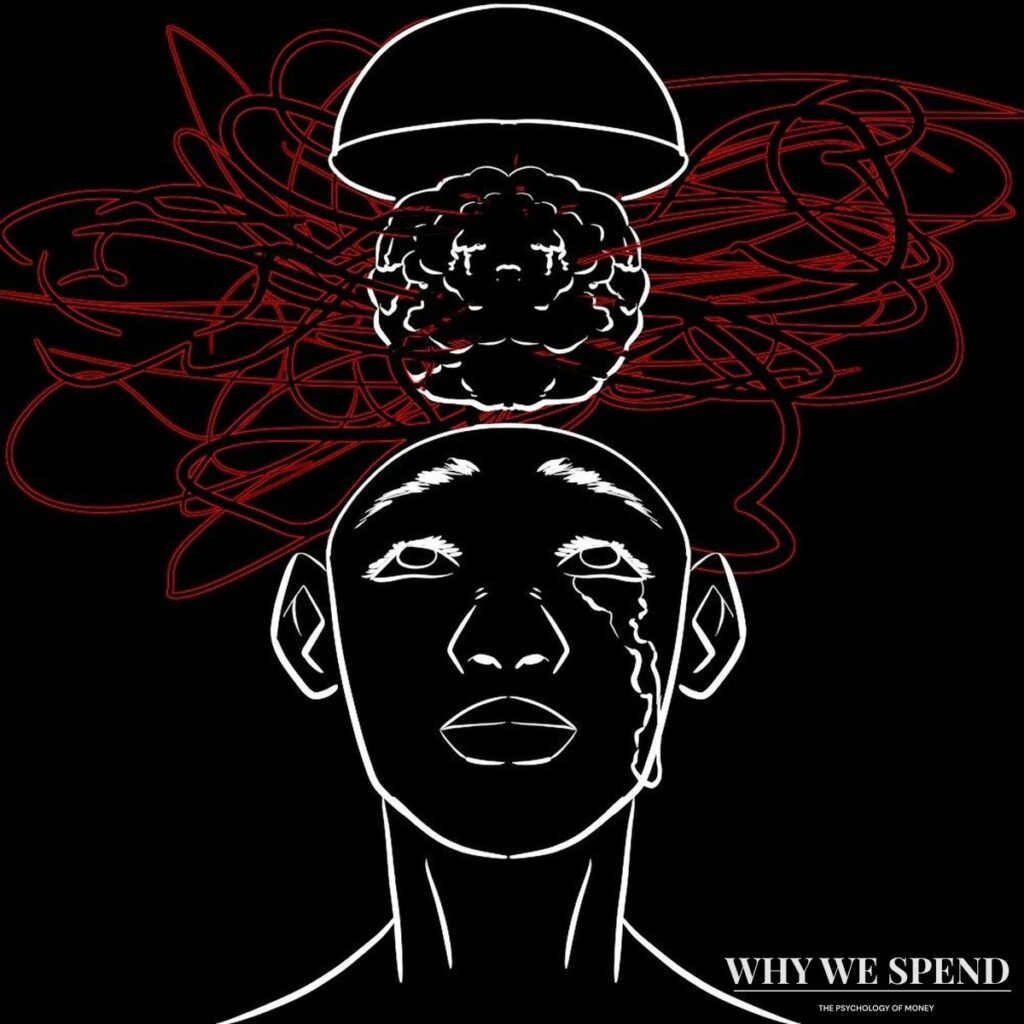
When people experience feelings of powerlessness—losing a job, dealing with family conflict, or watching global events spiral—the brain enters a state of heightened anxiety. This triggers what psychologists call “compensatory consumption,” where purchasing becomes a method of regaining perceived control.
Research shows that making choices, even small ones like selecting which colour phone case to buy, activates reward centres in the brain and temporarily reduces anxiety. The transaction itself provides structure and predictability in an otherwise chaotic moment. Someone clicks “buy now,” enters payment details, receives confirmation, and knows exactly what happens next—a stark contrast to the uncertainty plaguing other areas of life.
This explains why stressed individuals often buy things they don’t particularly need. A Singaporean office worker facing potential retrenchment might suddenly purchase expensive workout equipment, not because they’ve committed to fitness, but because the act of choosing, buying, and owning something provides momentary psychological relief.
The Illusion of Productive Action
Stress shopping also creates an illusion of taking productive action. When major life problems feel insurmountable—can’t control the economy, can’t change a difficult boss, can’t fix a relationship overnight—buying something feels like doing something. It’s concrete, immediate, and within one’s power.
Malaysian parents worried about their children’s education might suddenly splurge on expensive learning tools or enrichment programmes. Whilst education matters, the timing and intensity of these purchases often correlate more with parental anxiety than actual educational need.
Why Stress Shopping Feels Different from Regular Retail Therapy
Regular retail therapy involves planned indulgence—someone consciously decides to cheer themselves up with a purchase they’ve been eyeing. Stress shopping operates differently. It’s more impulsive, often unplanned, and driven by acute anxiety rather than desire for pleasure.
Key differences include:
The speed of decision-making accelerates dramatically. Where someone might normally research and compare options, stress shopping involves rapid, almost frantic purchases. That explains the phenomenon of opening multiple shopping app tabs simultaneously or adding numerous items to cart within minutes.
The type of items purchased often seems random or disconnected from actual needs. Someone stressed about work might suddenly buy kitchen gadgets, home organisation systems, or hobby supplies—items representing order, control, or an alternative identity they wish they could inhabit.
Post-purchase feelings differ markedly. Regular retail therapy typically brings satisfaction, whilst stress shopping frequently leads to buyer’s remorse once the anxiety subsides. Many Singaporeans and Malaysians describe that sinking feeling when parcels arrive days later, and they struggle to remember why they bought these items or how they’ll use them.
The Cultural Context: Kiasu Mentality Meets Anxiety

In Singapore and Malaysia, stress shopping intersects with particular cultural factors that amplify the behaviour. The kiasu mentality—fear of losing out or missing opportunities—combines powerfully with anxiety-driven purchasing.
During periods of chaos, this manifests as panic buying that extends beyond genuine necessity. When pandemic restrictions loomed, shoppers didn’t just buy essentials; they purchased months’ worth of goods, expensive air purifiers, multiple thermometers, and premium disinfection systems. The behaviour reflected less about actual scarcity and more about psychological need to feel prepared and in control.
Sales promotions and limited-time offers exploit this vulnerability expertly. Platforms like Shopee and Lazada engineer urgency through countdown timers, “last 3 pieces” warnings, and flash sales. For someone already anxious, these triggers become nearly irresistible—the fear of missing out compounds existing stress, creating a perfect storm for impulsive purchases.
Social Media’s Amplifying Effect
Instagram and TikTok intensify stress shopping behaviours. When feeling anxious, scrolling provides distraction, but targeted advertisements and influencer content present purchasing as the solution to every problem. Stressed about ageing? Buy this serum. Anxious about productivity? Purchase this planner system. Worried about the future? Invest in these self-improvement courses.
The algorithm learns quickly. Someone who clicks on stress-relief content soon finds their feed flooded with shopping solutions, creating a feedback loop between anxiety and consumption.
Recognising Stress Shopping Patterns in Daily Life
Awareness represents the first step toward managing this behaviour. Several signs indicate stress shopping rather than intentional purchasing:
Shopping during emotional peaks, particularly late at night after stressful days, suggests anxiety-driven behaviour. Many people describe their “3 AM shopping sessions” when worries prevent sleep, and purchasing feels like the only available action.
Difficulty remembering what was purchased or why indicates the transaction served psychological rather than practical purposes. When parcels arrive feeling like unwanted surprises rather than anticipated purchases, stress shopping likely occurred.
Purchases that promise transformation or control reveal underlying anxiety. Organisation systems promising to “change your life,” gadgets claiming to “solve all problems,” or courses guaranteeing rapid self-improvement often appeal more to anxious fantasies than realistic needs.
Hiding purchases from partners or family members, or feeling defensive when questioned about spending, suggests awareness that the purchases weren’t rational decisions but emotional responses to stress.
Practical Lessons: Managing the Security Breach Shopping Reflex

Understanding stress shopping enables more conscious financial behaviour without requiring superhuman willpower. These principles help manage the urge when chaos strikes:
Implement the 48-Hour Rule
When feeling compelled to purchase something during a stressful period, add it to a wishlist or cart but wait 48 hours before completing the transaction. This pause allows the acute stress response to subside. Research shows that desire intensity drops significantly after two days, revealing whether the item represents genuine need or anxiety relief.
Identify True Control Strategies
When chaos triggers the urge to buy something—anything—pause and ask: “What do I actually need to feel more in control right now?” Often, the real need involves different actions: having a difficult conversation, creating a budget, updating a CV, or simply resting. Shopping provides false control that evaporates after purchase, whilst addressing actual problems delivers lasting stability.
Create Structured Alternatives
Since stress shopping provides structure during chaos, develop alternative activities that offer similar psychological benefits without financial cost. Reorganising a wardrobe, planning meals for the week, or creating detailed to-do lists all provide the sense of order and control that stressed brains seek. These activities satisfy the need for concrete, achievable actions without accumulating unnecessary possessions or debt.
Establish Financial Circuit Breakers
Set up practical barriers that slow down impulsive purchases. Remove saved payment information from shopping apps, requiring manual entry each time. Set daily spending limits on credit cards. Create a separate “cooling off” email account for shopping confirmations, reducing the immediate gratification of purchase notifications. These small obstacles create space for rational thought to override stress responses.
Recognise Spending as Emotional Data
Rather than feeling ashamed about stress shopping tendencies, treat them as valuable information. When the urge to shop intensifies, it signals elevated stress levels requiring attention. This awareness transforms spending impulses into useful emotional indicators, helping identify problems before they escalate.
Many Singaporeans and Malaysians discover that tracking these urges reveals patterns—stress shopping increases before deadlines, during family gatherings, or when consuming particular news content. Understanding personal triggers enables proactive stress management before reaching for the credit card.
Moving Forward with Financial Awareness
Stress shopping represents a normal human response to abnormal circumstances, not a character flaw. The modern world delivers unprecedented levels of uncertainty and information overload, whilst simultaneously providing frictionless shopping experiences specifically designed to capture anxious attention.
Recognising how chaos triggers compensatory purchasing allows for compassionate self-awareness rather than harsh judgment. The goal isn’t eliminating all stress-related purchases—sometimes a small treat genuinely helps—but rather understanding when spending serves psychological rather than practical purposes.
For those noticing concerning patterns, remember that the temporary control shopping provides always costs more than the listed price. True stability comes from addressing underlying stressors, building genuine coping mechanisms, and making intentional choices aligned with actual values and needs. The chaos won’t disappear, but the relationship with spending during chaotic times can change entirely—transforming from reflexive reaction to conscious decision.