
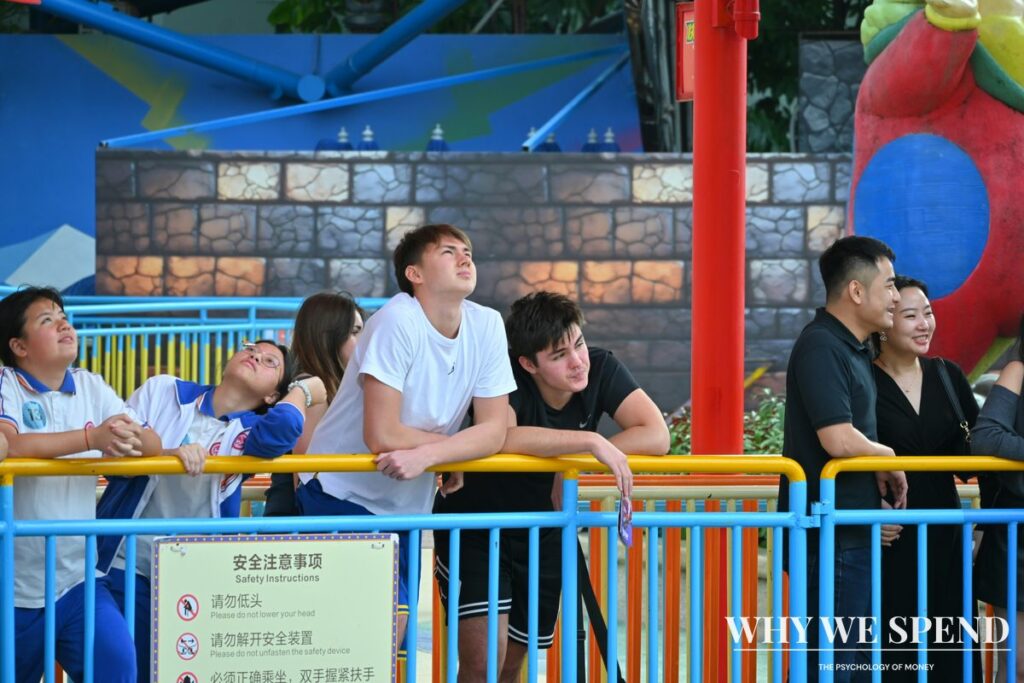
The sunk cost fallacy explains why Singaporeans and Malaysians will queue three hours for a Universal Studios ride they’ve already paid $85 for, even when everyone’s cranky and the children are melting down. This psychological trap causes people to endure miserable experiences simply because money has already been spent, leading to wasted time and additional suffering that compounds the original financial loss.
Understanding this behaviour pattern reveals why so many people remain trapped in poor spending decisions, unable to walk away even when logic screams otherwise. The phenomenon appears everywhere: from theme park queues to buffet dinners where diners force down extra plates despite feeling unwell, to concert seats endured in pouring rain because the tickets cost RM300.
The Psychology Behind the Sunk Cost Fallacy
The sunk cost fallacy operates on a simple but powerful principle: humans hate waste more than they love comfort. Once money leaves the wallet, the brain shifts into loss-aversion mode, treating any decision to abandon the experience as throwing good money after bad—even when walking away would clearly be the better choice.
Research shows this bias intensifies with ticket price. A family spending $400 on Gardens by the Bay tickets will endure far more discomfort than someone who received free passes. The monetary investment creates an emotional anchor that keeps people locked in place, unable to objectively assess whether continuing makes sense.
Singaporean culture amplifies this effect through the concept of being “kiasu”—the fear of missing out or losing. When combined with sunk costs, this cultural trait creates a double bind. Not only has money been spent, but walking away means admitting defeat and potentially missing something others experienced. The result? Three-hour waits for attractions that deliver perhaps ten minutes of actual enjoyment.
The Buffet Effect
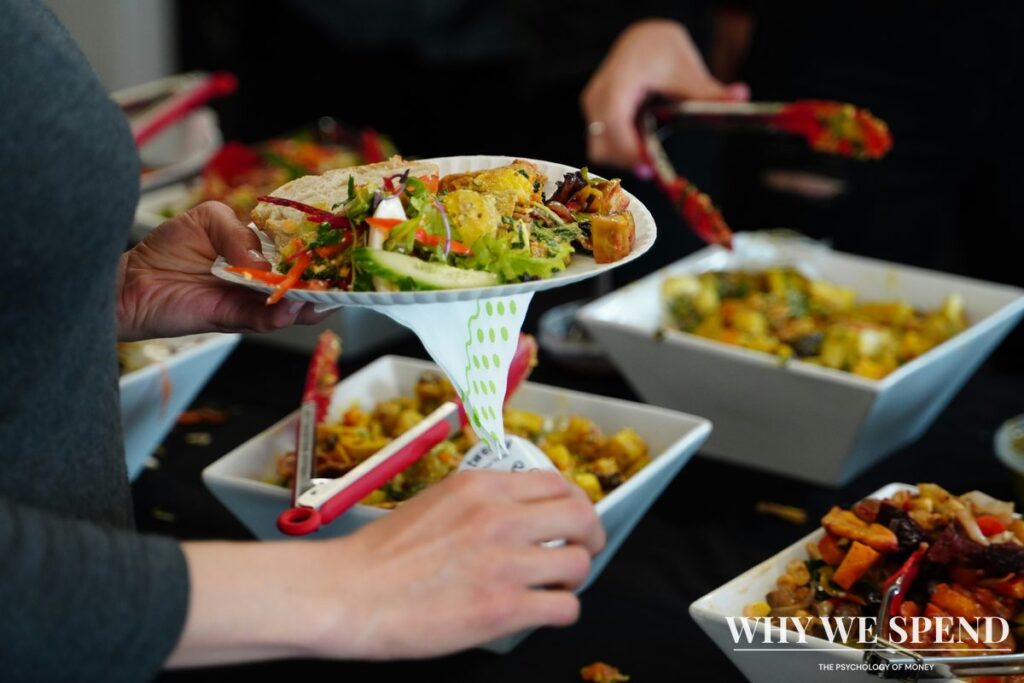
Malaysian buffet culture provides the perfect laboratory for observing the sunk cost fallacy in action. Diners who pay RM80 or RM100 per person often force themselves to eat until physically uncomfortable, operating under the belief that they must “get their money’s worth.” The calculation becomes purely mathematical: cost per plate, cost per dish, cost per minute spent eating.
Yet this thinking ignores the actual costs being incurred—physical discomfort, wasted time, and reduced enjoyment of what should be a pleasurable experience. The money is already spent whether one eats three plates or thirteen. The additional suffering doesn’t recover the initial expenditure; it merely adds misery to financial loss.
How the Sunk Cost Fallacy Affects Daily Spending
Beyond theme parks and buffets, the sunk cost fallacy shapes countless spending decisions.
Gym memberships purchased in January continue draining bank accounts through December, unused but maintained because “I paid for the whole year.” Concert tickets purchased months ago compel attendance even when illness strikes or circumstances change, because the money has already been spent.
Property purchases represent perhaps the most expensive manifestation of this fallacy. Singaporean homeowners who’ve spent hundreds of thousands renovating will continue investing in a flawed layout or problematic contractor rather than cut losses and start fresh. Each additional dollar spent feels like justification for the previous expenditure, creating a spiral of escalating commitment.
The same pattern appears in smaller purchases. That expensive facial package bought during a promotional pitch gets used despite causing skin irritation. The “discounted” bulk purchase of vitamins continues being consumed despite zero perceived benefit. The theatre subscription renewed annually keeps compelling attendance at plays that generate only boredom and discomfort.
When Waiting Becomes the Product
Theme parks and popular restaurants in Singapore and Malaysia have effectively monetised the sunk cost fallacy. The business model depends on customers feeling invested enough to endure poor experiences. Once entry fees are paid, visitors become captive audiences who will wait hours for attractions, pay premium prices for mediocre food, and return home exhausted but convinced they “made the most of it.”
Express passes and priority queuing systems extract additional revenue by offering escape from the very discomfort the initial purchase created. Customers pay once to enter, then pay again to avoid the consequences of that first payment—a brilliant exploitation of sunk cost psychology.
Breaking Free from the Sunk Cost Fallacy
Recognising the sunk cost fallacy in action requires honest assessment of what money can and cannot do. Money already spent is gone, regardless of future decisions. The relevant question is never “How much have I already invested?” but rather “What’s the best use of my time and resources from this point forward?”
This perspective shift proves difficult because it requires acknowledging waste. Singaporean and Malaysian cultures, with their emphasis on thrift and value maximisation, make this acknowledgement particularly challenging. Admitting that money was poorly spent feels like personal failure, so people double down instead, throwing good time and energy after bad money.
The solution starts with reframing. Money spent on a disappointing experience isn’t wasted if it provides a valuable lesson. The true waste occurs when someone compounds a poor decision by enduring additional misery. Leaving the theme park after an hour because queues are intolerable isn’t admitting defeat—it’s intelligent resource allocation.
The Opportunity Cost of Endurance
Every hour spent waiting in that three-hour queue represents time that could be spent elsewhere. For a family at Gardens by the Bay, those hours might have been spent at a free beach, enjoying genuine connection and laughter rather than stressed queue management. The $400 ticket price becomes $400 plus three hours of family time—a significantly higher cost than the sticker price suggests.
Viewing sunk costs through an opportunity cost lens helps break the psychological trap. The question shifts from “How do I justify this expense?” to “What’s the best possible use of the time I have right now?” This reframing often reveals that walking away from a paid experience is actually the most value-maximising choice available.
Practical Lessons for Smarter Spending
First, recognise that past spending should never dictate future decisions. Whether the ticket cost $20 or $200, the money is equally gone. Future choices should be based on current circumstances and preferences, not historical expenditure.
Second, set clear walk-away criteria before making purchases. Decide in advance: “If queues exceed 45 minutes, we’ll leave.” “If the restaurant experience isn’t enjoyable by the second course, we’ll politely depart.” These pre-commitments help overcome in-the-moment sunk cost pressure.
Third, reframe “getting your money’s worth.” Value comes from enjoyment and positive experience, not from maximising consumption or endurance. The best return on a buffet payment might be three really excellent dishes eaten mindfully, not twelve mediocre plates consumed in discomfort.
Fourth, build “trial periods” into major purchases. Many gyms, subscription services, and experience packages can be tested before committing to annual contracts. This approach reduces the sunk cost anchor that keeps people trapped in unsuitable arrangements.
Fifth, practise small walk-aways to build the skill. Leave a disappointing movie at the cinema despite the ticket price. Abandon a restaurant meal that isn’t meeting expectations. Each small instance of walking away from sunk costs makes the next decision easier, gradually rewiring the brain’s response to past expenditure.
The Freedom of Letting Go
The most liberating financial realisation is this: money spent poorly is already lost. Enduring misery doesn’t recover it. The only question that matters is how to make the best decision moving forward, unshackled from past mistakes.
Singaporeans and Malaysians who master this principle find themselves making better decisions across all spending categories. They walk away from disappointing purchases without guilt. They abandon unsuccessful ventures without shame. They recognise that the true waste isn’t the money already spent—it’s the additional time, energy, and happiness sacrificed trying to justify that expenditure.
The three-hour queue becomes optional, not mandatory. The buffet becomes an enjoyable meal, not an eating competition. The sunk cost fallacy loses its power, replaced by clear-eyed assessment of what actually serves wellbeing and happiness. That’s when spending decisions finally align with actual values rather than psychological traps.