

Market chaos anxiety affects daily spending decisions in ways many people refuse to acknowledge. Someone checks Grab surge pricing three times before booking, switches to hawker centres instead of cafés, yet insists the stock market crash or inflation headlines don’t affect them. This disconnect between what people claim and what they actually do reveals a powerful truth about money psychology: economic uncertainty doesn’t just affect investment portfolios—it seeps into every small financial decision throughout the day.
The behaviour is distinctly recognisable across Singapore and Malaysia. Professionals scroll through business news during their morning commute, read about market volatility and recession fears, then spend the rest of the day making micro-calculations about whether to take a taxi or wait for the MRT. The mental gymnastics are exhausting, yet most people don’t connect these two activities.
The Psychological Gap Between “Big” and “Small” Money Decisions
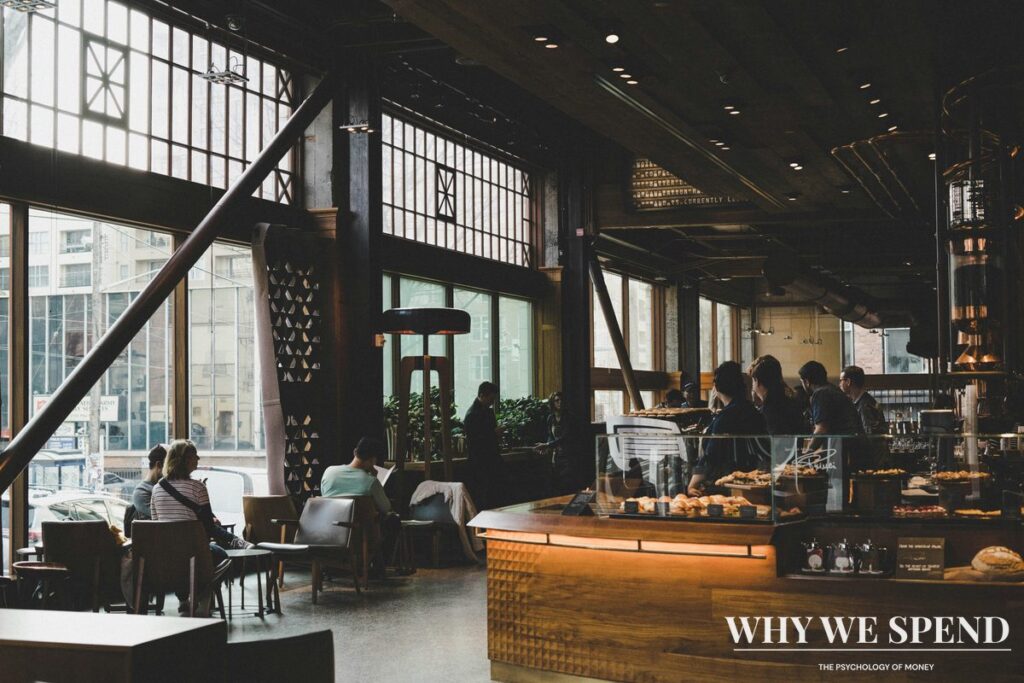
There’s a curious phenomenon where people separate macroeconomic events from personal spending habits. The same person who dismisses talk about economic downturns as “just noise” will suddenly decide that ordering Thai food delivery is too expensive and opt for instant noodles instead.
This psychological gap exists because acknowledging market chaos anxiety means admitting vulnerability. Saying “I’m worried about money” feels too concrete, too real. But checking whether GrabFood surge pricing has gone down? That’s just being prudent. Calculating whether the chicken rice stall at the coffeeshop is S$0.50 cheaper than the one near the office? That’s just being smart with money.
Behavioural economists call this “mental accounting”—treating money differently depending on arbitrary categories we create. Market fears become filed under “things I can’t control,” whilst daily spending gets filed under “things I can manage.” The irony is that both are responses to the same underlying anxiety.
When Denial Becomes Expensive
Not acknowledging market chaos anxiety can actually cost more money. Someone might refuse to adjust their major spending patterns (keeping expensive subscriptions, maintaining dining habits) whilst penny-pinching on things that barely move the needle. They’ll take a longer route to save S$2 on parking but won’t cancel the gym membership they haven’t used in three months.
This happens because the small decisions feel controllable. Cancelling a gym membership feels like admitting defeat—admitting that yes, economic uncertainty is affecting personal choices. But taking the bus instead of Grab? That’s just a one-time decision, easily justified as “the weather’s nice today anyway.”
How Market Chaos Anxiety Manifests in Malaysian and Singapore Spending
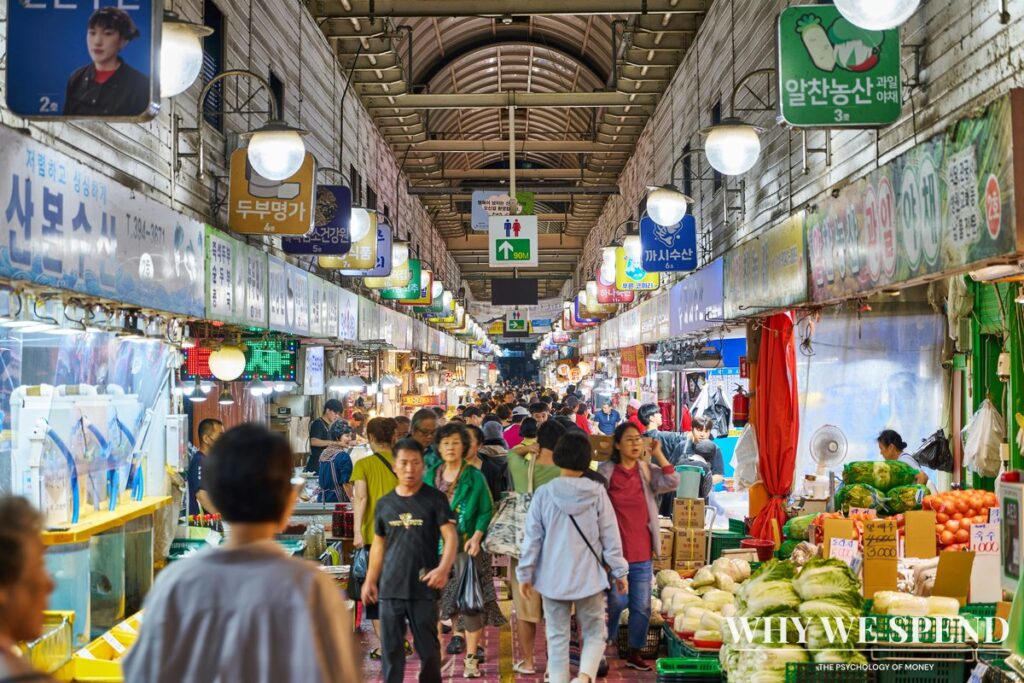
The manifestation of market chaos anxiety looks different across income levels, but the psychological pattern remains consistent. In Malaysia, someone might switch from their usual Starbucks to local kopitiam, claiming it’s about “supporting local” when it’s really about the RM15 they’re saving. In Singapore, professionals start bringing packed lunch from home but frame it as a health decision rather than acknowledging financial concerns.
Common behavioural patterns include:
Checking prices repeatedly before any transaction, even familiar ones. The Grab price hasn’t changed in the five minutes between checks, but the act of checking provides an illusion of control.
Sudden interest in discounts and promotions that previously seemed irrelevant. Someone who never bothered with coupon codes is now signing up for every cashback programme available.
Justifying spending cuts with non-financial reasons. “I’m eating out less because I want to cook more” sounds better than “I’m worried about money.”
Analysis paralysis on minor purchases. Spending fifteen minutes comparing brands of toilet paper to save S$1.50 whilst avoiding thinking about larger financial adjustments.
The Regional Context
Singapore and Malaysia have particularly acute sensitivity to global market movements. Both economies are heavily trade-dependent, and currency fluctuations affect everything from petrol prices to the cost of imported goods. When the ringgit weakens or the Straits Times Index drops, it’s not abstract financial news—it shows up in grocery bills and utility costs.
This proximity to economic volatility makes market chaos anxiety more immediate. It’s not just about investment losses; it’s about whether the weekly market shop now costs RM50 more or whether filling up the car takes a bigger bite from the monthly budget.
The Cost of Pretending Everything Is Fine
Refusing to acknowledge market chaos anxiety creates several problems. First, it prevents proper financial planning. Someone in denial won’t adjust their budget appropriately because admitting they need to adjust means admitting there’s a problem.
Second, it generates constant low-level stress. The cognitive dissonance between “everything’s fine” and “let me check these prices one more time” creates mental fatigue. This stress often leads to poor decisions—either restriction that’s unsustainable or rebellious spending that undermines actual financial security.
Third, it isolates people from useful support and information. When everyone pretends they’re unaffected, no one shares strategies or resources. The kopitiam conversations stay surface-level instead of actually useful.
The Emotional Toll
Market chaos anxiety isn’t just about money—it’s about control and security. Economic uncertainty triggers fundamental fears about stability and future planning. In cultures where financial success is closely tied to personal worth, admitting economic anxiety can feel like admitting failure.
The performance of being unaffected becomes exhausting. Maintaining the facade whilst simultaneously price-checking everything requires significant emotional energy. This energy could be better spent on actual financial planning or simply accepting that economic uncertainty affects everyone.
What Actually Helps: Practical Money Psychology Lessons

The solution isn’t to either ignore market chaos or become obsessed with it. It’s to acknowledge the anxiety and respond proportionally.
Separate Feelings from Facts
Feeling anxious about economic news is valid. Acting on that anxiety by checking Grab prices obsessively is a coping mechanism, not a financial strategy. Recognising the difference allows for better decisions. Create one specific time each week to review actual financial data—budget, expenses, savings rate—rather than reacting to feelings throughout the day.
Match Actions to Values
If market chaos genuinely requires budget adjustments, make conscious decisions based on what matters most. Someone who values convenience might keep using ride-sharing but cut entertainment subscriptions. Someone who values social connection might maintain cafe meetups but reduce online shopping. The key is intentional choice rather than scattered restriction.
Distinguish Between Control and Illusion
Checking prices repeatedly doesn’t provide more control—it provides the feeling of control. Actual control comes from understanding fixed costs, having an emergency fund, and knowing which expenses are truly flexible. Focus energy on the financial factors that actually matter rather than micro-managing insignificant transactions.
Acknowledge the Anxiety
Simply naming market chaos anxiety reduces its power. Telling a friend “These economic headlines are making me anxious, so I’m being more careful with spending” is healthier than pretending everything’s fine whilst secretly stressing over every transaction. Acknowledgement allows for appropriate response rather than denial-driven behaviour.
Create a Worry Budget
Allocate a specific, small amount for anxiety-driven decisions. If checking Grab prices three times and choosing the cheaper option provides comfort, fine—but limit these micro-decisions to a predetermined number per day. This contains the anxiety response without letting it dominate every financial choice.
Moving Forward With Financial Clarity
Market chaos will continue. Economic uncertainty is the normal state of affairs, not an exception.
The question isn’t whether external events will affect personal finances—they will. The question is whether individuals will respond consciously or through denial-driven behaviour patterns.
The person checking Grab prices three times isn’t being irrational. They’re responding to real economic anxiety with the tools available to them. The problem isn’t the price-checking—it’s the pretence that market chaos doesn’t affect them whilst simultaneously letting it control small decisions throughout the day.
Financial wellbeing in uncertain times doesn’t come from either ignoring economic news or obsessing over every dollar. It comes from acknowledging legitimate concerns, making proportional adjustments, and focusing attention on financial factors that genuinely matter. The hawker centre meal instead of restaurant dining might actually be the right choice—but it’s a better choice when made consciously rather than as an anxious reaction to market headlines someone claims not to care about.